📚 Every Guide is Researched Before Publishing →
Sukuna and Kenjaku
⭐⭐⭐⭐⭐ 4.8/5 • Trusted by 4 Million+ Readers
Related Pages
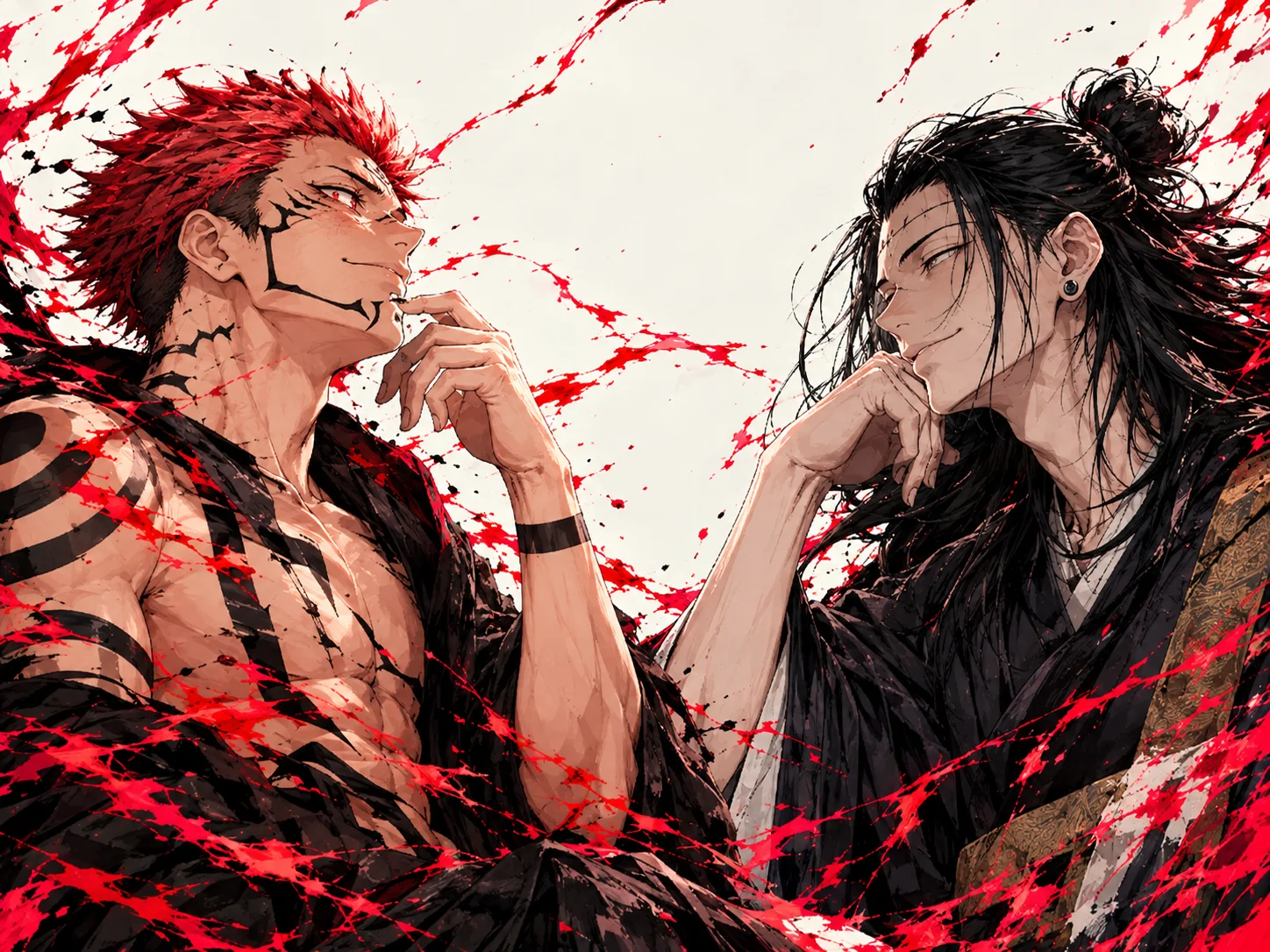
Ryomen Sukuna and Kenjaku are two ancient and dangerous sorcerers whose actions play an important role in Jujutsu Kaisen. Their connection goes back to the Heian era, and their past continues to affect the modern world. Kenjaku helped preserve Sukuna’s existence through twenty cursed objects, allowing him to return centuries later. Kenjaku is also connected to Yuji Itadori’s birth, bringing Yuji’s story together with Sukuna’s return. Both characters become involved in the Culling Game, but they do not share exactly the same goals or motivations. In this guide, we will explore their shared history, their connection to Yuji, their plans, and the key differences that make their relationship so important to the story.
Table of Contents
ToggleWho Is Kenjaku to Sukuna?
Kenjaku and Ryomen Sukuna are two ancient sorcerers whose actions have shaped important events in Jujutsu Kaisen. Kenjaku can survive for centuries by transferring his brain into other bodies, while Sukuna was a powerful human sorcerer from the Heian era known as the King of Curses. Their connection includes Kenjaku’s role in preserving Sukuna’s existence through cursed objects, which later allowed Sukuna to return to the modern world. Although their actions show that they could cooperate, they had different motivations and did not simply follow one shared plan. Kenjaku made long-term preparations that involved Sukuna, but Sukuna remained independent and pursued his own desires. Understanding their history helps explain their connection to Yuji Itadori, the Culling Game, and the wider conflict in the series.
Who Is Kenjaku?
Kenjaku is an ancient jujutsu sorcerer who has survived for more than a thousand years by transferring his brain into different bodies. This ability allows him to take over other people and continue living across different historical periods. Throughout his long life, he has used different identities to carry out experiments and prepare plans that can affect future generations. His activities include creating the Cursed Womb: Death Paintings and setting the events of the Culling Game in motion. Kenjaku is patient and highly calculating, often using other people to help achieve his goals. His connection with Sukuna is one part of his long history and his larger plans for the jujutsu world.
Who Is Ryomen Sukuna?
Ryomen Sukuna was a human sorcerer who lived during the Heian era, a period known as a golden age of jujutsu. He became famous for his overwhelming power and earned the title of King of Curses. Although people often associate him with curses, Sukuna was originally a human sorcerer rather than a cursed spirit. After his death, his existence continued through twenty cursed objects associated with his fingers. Centuries later, Yuji Itadori swallowed one of these fingers, allowing Sukuna to return within a human vessel. Sukuna’s personal desires and independent nature are important to understanding why his relationship with Kenjaku was not based on simple obedience.
How Are Sukuna and Kenjaku Connected?
Sukuna and Kenjaku are connected through their history as ancient sorcerers and Kenjaku’s role in helping preserve Sukuna’s existence after death. Sukuna’s remains became cursed objects, allowing his presence to survive for centuries instead of disappearing completely. These objects later played a major role in Sukuna’s return when Yuji swallowed one of his fingers. Kenjaku’s long-term activities also helped shape the conditions in which ancient sorcerers could return to the modern world. However, the manga does not reveal every detail of their first meeting or explain all the terms of their relationship. Their confirmed connection is important, but it should not be expanded into unsupported claims about a close friendship or a complete shared plan.
Were Sukuna and Kenjaku Allies?
Sukuna and Kenjaku can be understood as figures who cooperated when their interests overlapped. Kenjaku helped preserve Sukuna’s existence, and both became connected to events that shaped the modern jujutsu world. However, cooperation does not mean they were best friends or that they shared the same beliefs and ambitions. Kenjaku pursued long-term experiments and plans involving cursed energy, while Sukuna generally acted according to his own desires. Their relationship worked because their actions could support certain objectives without requiring either character to give up his independence. The story establishes a meaningful connection between them, but it does not present their relationship as a normal friendship.
Did Kenjaku Control Sukuna?
Kenjaku was an experienced sorcerer who could prepare plans and make arrangements involving powerful figures, including Sukuna. However, there is no clear basis for saying that Kenjaku directly controlled Sukuna’s thoughts or decisions. Sukuna repeatedly acts according to his own interests and is not simply a servant who follows Kenjaku’s orders. Their connection shows that Kenjaku could help create circumstances that affected Sukuna’s return, but this is different from controlling everything Sukuna did afterward. Sukuna’s choices, including his decision to take over Megumi Fushiguro’s body, played a major role in the story’s direction. Their relationship is best understood as a connection shaped by history and overlapping interests, rather than one character having complete control over the other.
How Did Sukuna and Kenjaku Know Each Other?
Sukuna and Kenjaku are ancient sorcerers whose connection reaches back to the Heian era, long before the main events of Jujutsu Kaisen. Sukuna became known as the King of Curses because of his extraordinary strength, while Kenjaku survived across centuries by transferring his brain into different bodies. Their history is important because Kenjaku helped preserve Sukuna’s existence after death through cursed objects made from his remains. These objects allowed Sukuna to return to the modern world many years later. Although the story confirms an important connection between the two, it does not explain every detail of their first meeting or private conversations. Understanding what the manga confirms—and what remains unknown—helps explain how their shared past influenced the events involving Yuji Itadori and the Culling Game.
Their Connection in the Heian Era
The Heian era is an important part of Sukuna and Kenjaku’s history because both characters have connections to this distant period. Sukuna lived as a human sorcerer and became feared for his overwhelming power. Kenjaku was also active in the world of jujutsu and continued his plans across different generations. Their connection extends beyond the modern events that bring Sukuna back through Yuji Itadori. Kenjaku’s involvement in preserving Sukuna’s existence provides a clear link between their past and the present. However, the manga does not show every event from their time or provide a complete account of how their relationship first began.
Kenjaku's Long History as a Sorcerer
Kenjaku has survived for more than a thousand years by transferring his brain into different human bodies. This unusual ability allows him to take over a host and continue living under a different identity. Across the centuries, he has gathered knowledge, conducted experiments, and prepared plans that influence later generations of sorcerers. His activities eventually lead to major events such as the Culling Game, which becomes central to the modern story. His long lifespan also helps explain how he could have a connection to Sukuna’s era while remaining active in the present. Unlike ordinary sorcerers, Kenjaku can carry his plans forward long after the people around him have died.
How Kenjaku Helped Preserve Sukuna
After Sukuna’s death, his existence continued through twenty cursed objects associated with his fingers. Kenjaku helped preserve Sukuna in this form, allowing his power and presence to remain in the world for centuries. These objects were extremely important because they made Sukuna’s eventual return possible rather than allowing his story to end with his death. In the modern era, Yuji Itadori swallowed one of Sukuna’s fingers and became his vessel. This event connected Kenjaku’s ancient activities to the main conflict of the series. To explore the personal conflict that develops after Sukuna enters Yuji, read the Sukuna and Yuji relationship guide.
What the Manga Confirms About Their Past
The manga confirms that Sukuna was a human sorcerer from the Heian era and that Kenjaku is an ancient sorcerer who survives by transferring his brain between bodies. It also establishes Kenjaku’s role in preserving Sukuna’s existence through cursed objects. Their later connection is shown through events involving Sukuna’s return and Kenjaku’s long-term plans. However, the story does not provide a complete account of their first meeting or reveal every conversation they may have had in the past. It is therefore important to separate confirmed events from fan theories about their personal relationship. Claims that they were best friends, shared every goal, or made specific secret agreements should not be presented as facts without clear evidence from the manga.
Why Their Shared History Matters
The shared history of Sukuna and Kenjaku helps explain how events from the distant past continue to shape the modern jujutsu world. Kenjaku’s role in preserving Sukuna made his eventual return possible, bringing an ancient threat into Yuji Itadori’s life. Kenjaku’s wider plans also helped create the conditions for the Culling Game and the return of sorcerers from earlier eras. However, Sukuna continued to pursue his own interests instead of simply following Kenjaku’s ambitions. Their connection shows how one sorcerer’s long-term preparations can affect another powerful figure centuries later. It also helps readers understand why their stories overlap while their personal motivations remain different.
Kenjaku's Role in Sukuna's Return
Kenjaku played an important role in preserving Sukuna’s existence after death, allowing the legendary sorcerer to return to the modern world centuries later. Sukuna’s remains became twenty cursed objects associated with his fingers, which could survive long periods without losing their importance. When Yuji Itadori swallowed one of these fingers, he became Sukuna’s vessel and brought the ancient sorcerer back into the modern jujutsu world. Kenjaku’s long-term preparations also involved other ancient sorcerers, many of whom were connected to his plans for the Culling Game. However, Kenjaku did not control every decision Sukuna made after his return. Their connection helped shape the main conflict, even though both characters continued to pursue their own goals.
Sukuna's Twenty Fingers
After his death, Sukuna’s existence continued through twenty special-grade cursed objects associated with his fingers. These objects contained parts of his power and allowed his presence to remain in the world long after the Heian era. Because Sukuna was exceptionally powerful, his remains could not simply be treated like ordinary objects or destroyed easily. The fingers became important items in the modern jujutsu world, attracting the attention of sorcerers and curses. When Yuji swallowed one of them, Sukuna was able to manifest within him. These twenty fingers became a central part of Sukuna’s return and the conflict that followed.
How Sukuna's Cursed Objects Survived
Sukuna’s fingers survived for centuries because they became powerful cursed objects that were extremely difficult to destroy. They retained their connection to Sukuna even after his original body was gone, allowing his existence to continue into the modern era. The objects could also attract dangerous curses because of the power they contained. Jujutsu sorcerers treated them as highly dangerous items that needed careful handling and protection. Their survival meant that Sukuna’s return remained possible long after the Heian era had ended. Eventually, one of these fingers reached Yuji Itadori, setting the main story into motion.
Yuji Itadori Swallows Sukuna's Finger
Yuji Itadori swallowed one of Sukuna’s fingers while trying to protect himself and others from a dangerous curse. This action allowed Sukuna to manifest inside Yuji’s body, making Yuji his vessel. Unlike an ordinary person who might lose control after consuming such a powerful cursed object, Yuji was unusually capable of containing Sukuna. However, Sukuna did not simply disappear inside him; he remained a dangerous presence who could take control under certain circumstances. Their connection became a major source of conflict throughout the series. You can explore their complicated relationship in the Sukuna and Yuji guide.
Kenjaku's Role in the Process
Kenjaku’s role in Sukuna’s return began long before Yuji swallowed the finger. He helped preserve Sukuna’s existence through cursed objects, allowing the ancient sorcerer to remain connected to the modern world. Kenjaku also made long-term arrangements involving sorcerers from earlier eras, using cursed objects and suitable vessels as part of his wider preparations. These activities contributed to the return of ancient sorcerers and the events surrounding the Culling Game. However, it would be inaccurate to claim that Kenjaku controlled every step of Sukuna’s awakening or all the decisions Sukuna made afterward. Kenjaku helped create important conditions, but Sukuna remained an independent character with his own intentions.
Why Sukuna's Return Mattered to Kenjaku
Sukuna’s return mattered because it brought one of history’s most powerful sorcerers into the modern jujutsu world, where Kenjaku’s larger plans were already unfolding. The return of ancient sorcerers was connected to Kenjaku’s preparations for the Culling Game and his ambition to bring about a major transformation through cursed energy. Sukuna’s presence added another powerful and unpredictable figure to these events. However, Sukuna’s personal desires were not identical to Kenjaku’s goals, and their connection should not be understood as complete agreement. Each character continued to make decisions according to his own interests. Their intersecting actions helped shape the conflict that eventually threatened jujutsu society.
Sukuna and Kenjaku's Different Goals
Sukuna and Kenjaku are both powerful ancient sorcerers, but they have different reasons for taking part in the events of Jujutsu Kaisen. Sukuna values his freedom and follows his own desires rather than simply obeying another person’s plans. Kenjaku, on the other hand, spends centuries preparing experiments designed to push the limits of cursed energy and jujutsu. His long-term ambition includes merging Tengen with the people of Japan to create a major change that he cannot fully predict. Their interests sometimes overlap, allowing their actions to connect during important events, including the Culling Game. However, their cooperation does not mean they share the same final goal or that either one controls the other’s decisions. These differences help make their relationship more complex than a simple partnership between two villains.
What Sukuna Wants
Sukuna is an independent character who follows his own desires and rarely allows others to decide how he should live. He values his freedom and uses his overwhelming strength to pursue whatever interests him. Rather than dedicating himself to Kenjaku’s larger plans, Sukuna makes choices based on his own judgment and priorities. His actions throughout the story show that he is willing to change direction when doing so benefits him. This independent nature becomes especially clear when he moves from Yuji Itadori’s body into Megumi Fushiguro’s body to pursue his own objectives. Sukuna’s decisions show why his connection with Kenjaku should not be mistaken for complete loyalty or obedience.
What Kenjaku Wants
Kenjaku’s main ambition is to push the limits of jujutsu and create a transformation that goes beyond the existing world. Across many centuries, he has conducted experiments, made arrangements with sorcerers, and prepared the Culling Game as part of his larger plan. One important goal involves merging Tengen with the people of Japan, creating a result that Kenjaku himself cannot completely predict. He is interested in the possibilities that could emerge when cursed energy and human evolution are pushed beyond familiar limits. Unlike Sukuna, who generally follows his personal desires, Kenjaku is focused on carrying out a long-term experiment. His willingness to use other people as part of his plans makes him dangerous in a different way from Sukuna.
Where Their Interests Overlap
Sukuna and Kenjaku’s interests overlap because their actions become connected to major events in the modern jujutsu world. Kenjaku helped preserve Sukuna’s existence through cursed objects, making Sukuna’s eventual return possible. Their connection also extends into the events surrounding the Culling Game, where ancient sorcerers and Kenjaku’s long-term preparations play important roles. However, an overlap in their interests does not mean that they have identical motivations. Kenjaku pursues his larger experiment, while Sukuna remains focused on his own desires and opportunities. Their relationship shows that two powerful characters can benefit from connected events without needing to agree on every objective.
Why They Do Not Share the Same Plan
Although Sukuna and Kenjaku are connected by history and certain arrangements, their overall ambitions are different. Kenjaku wants to create an unprecedented transformation through his experiments, especially the planned merger involving Tengen and the people of Japan. Sukuna, however, does not simply dedicate himself to making Kenjaku’s experiment succeed. He follows his own interests and makes decisions according to what he wants to achieve. Kenjaku’s preparations can create opportunities that affect Sukuna, but this does not prove that Kenjaku can control Sukuna’s choices. The manga does not establish that they shared one complete plan or that either character knew every detail of the other’s intentions. Their separate goals are essential to understanding their complicated relationship.
How Their Different Goals Affect the Story
The difference between Sukuna’s personal desires and Kenjaku’s long-term ambitions adds several layers to the conflict in Jujutsu Kaisen. Kenjaku creates situations that affect sorcerers across generations, while Sukuna responds to events according to his own priorities. Their actions sometimes connect, but their motivations are not interchangeable. This means that defeating or removing one character does not automatically erase every consequence of the other’s plans. Kenjaku’s preparations continue to influence the story even after his death, while Sukuna remains a separate threat that the sorcerers must confront. Their relationship is therefore more complex than a partnership in which one villain gives orders and the other follows them.
Sukuna and Kenjaku's Connection to the Culling Game
The Culling Game is one of Kenjaku’s most important plans in Jujutsu Kaisen, designed to prepare the conditions for his intended merger involving Tengen and the people of Japan. To carry out this plan, Kenjaku made arrangements with ancient sorcerers, turning some into cursed objects so they could reincarnate in suitable vessels in the modern era. Sukuna’s return also became connected to these events, although he had his own reasons for taking part in the unfolding conflict. During the Culling Game, Sukuna made a major move by transferring from Yuji Itadori’s body into Megumi Fushiguro’s body. This changed the direction of the story and connected Sukuna to the final stages of Kenjaku’s plan. Although their actions intersected, Sukuna and Kenjaku continued to follow different personal goals.
Why Kenjaku Started the Culling Game
Kenjaku created the Culling Game as part of a much larger plan to push the limits of cursed energy and prepare for the merger involving Tengen and the people of Japan. The game forced sorcerers and other participants into deadly battles under a set of rules, allowing Kenjaku to use the resulting activity as part of his preparations. It was not simply a tournament designed to identify the strongest fighter. Instead, it served a specific role in Kenjaku’s long-term experiment and helped move his larger plan forward. Many of the events within the game created opportunities for ancient sorcerers to fight again in the modern era. Understanding Kenjaku’s purpose is important because the Culling Game connects several major characters and conflicts throughout the series.
The Role of Reincarnated Sorcerers
Kenjaku prepared for the return of ancient sorcerers by making binding vows and turning some of them into cursed objects that could later be consumed by suitable vessels. Once a person consumed one of these objects, the ancient sorcerer could reincarnate in that person’s body. This process allowed fighters from earlier eras to appear in the modern world and participate in the Culling Game. Kenjaku’s long lifespan gave him the time to arrange these events across generations. However, reincarnation did not mean that every sorcerer would obey Kenjaku or share his ambitions. Each returning sorcerer could have personal motivations, making the game unpredictable and dangerous for everyone involved.
Sukuna's Participation in the Culling Game
Sukuna became involved in the events surrounding the Culling Game after returning to the modern world through Yuji Itadori. Although Kenjaku’s preparations helped create the wider circumstances, Sukuna was not simply participating to carry out Kenjaku’s wishes. He continued to pursue his own interests and looked for opportunities that served his goals. His actions during this period included seeking a way to leave Yuji’s body and take over Megumi Fushiguro. This decision had major consequences for the sorcerers trying to stop him and for the direction of the conflict. Sukuna’s involvement shows how Kenjaku’s larger plan and another powerful character’s personal ambitions could intersect without becoming the same plan.
Sukuna Takes Over Megumi's Body
One of the biggest turning points during the Culling Game was Sukuna’s transfer from Yuji Itadori into Megumi Fushiguro’s body. Sukuna used the binding vow he had previously made with Yuji to create an opportunity to take control of Megumi. This gave Sukuna access to Megumi’s body and its potential, changing the balance of power in the conflict. The decision also placed Megumi in serious danger and gave Yuji a deeply personal reason to fight against Sukuna. Although Kenjaku’s broader plans formed part of the surrounding events, Sukuna’s decision was driven by his own intentions. For the detailed history of this possession and its consequences, read the Sukuna and Megumi relationship guide.
The Merger and Sukuna's Role
Kenjaku’s long-term objective involved merging Tengen with the people of Japan, a process he hoped would create a major transformation beyond the normal limits of jujutsu. The Culling Game helped prepare the conditions for this plan, and Kenjaku continued working toward it even as the conflict became more dangerous. Sukuna became connected to the final stages after Kenjaku’s death because Kenjaku arranged for the authority to initiate the merger to pass to Megumi Fushiguro, whose body was controlled by Sukuna at that time. This did not mean Sukuna had originally shared Kenjaku’s motivation for creating the merger. Rather, Kenjaku’s preparations left a plan that could continue to affect the story after his death.
How the Culling Game Connected Their Plans
The Culling Game brought Kenjaku’s long-term preparations and Sukuna’s return into the same major conflict. Kenjaku used the game to advance his plans for the merger and bring reincarnated sorcerers into the modern era, while Sukuna used the opportunities around him to pursue his own objectives. His decision to take over Megumi’s body was especially important because it changed the course of the battle against the sorcerers. Kenjaku’s final arrangements also allowed the merger threat to remain relevant after his death, connecting his unfinished plan to the later conflict involving Sukuna. Their actions therefore influenced one another’s circumstances, but they should not be described as following one identical objective. The Culling Game demonstrates how separate ambitions can intersect and produce consequences far greater than either character’s individual actions.
Sukuna and Kenjaku's Agreements and Binding Vows
Sukuna and Kenjaku are connected through historical arrangements and overlapping interests, but it is important to separate confirmed agreements from assumptions about their relationship. Kenjaku made binding vows with sorcerers from earlier eras to prepare for their later reincarnation through cursed objects. Sukuna also made a binding vow with Yuji Itadori, allowing him to take control of Yuji’s body for one minute under specific conditions. However, this vow was between Sukuna and Yuji, and it does not prove that Sukuna and Kenjaku made a binding vow with each other. A binding vow has specific conditions, while cooperation simply means characters work toward an objective that benefits them. Although the manga establishes important connections between Sukuna and Kenjaku, it does not reveal every detail of their arrangements. To understand how these supernatural agreements work, read the full guide to Sukuna’s Binding Vows.
Did Sukuna Respect or Trust Kenjaku?
Sukuna and Kenjaku shared a long history, but their relationship should not be mistaken for a close friendship built on emotional trust. Sukuna was an independent sorcerer who followed his own desires and did not simply obey Kenjaku’s plans. He could cooperate with Kenjaku when their interests aligned, but this did not mean he agreed with every decision or shared Kenjaku’s long-term ambitions. Kenjaku was also a calculating sorcerer who made preparations over many centuries, yet Sukuna’s unpredictable choices made him difficult to treat as a completely controllable ally. Their connection involved knowledge, arrangements, and overlapping interests rather than clearly established personal loyalty. Although Kenjaku understood Sukuna’s importance and planned around his existence, the manga does not confirm that they fully trusted each other or considered themselves friends. Their relationship is best understood as a strategic connection between two powerful individuals with separate goals.
Kenjaku's Death and Its Effect on Sukuna's Plans
Kenjaku’s death was a major turning point because his plans continued to affect the jujutsu world even after his defeat. During his encounter with Fumihiko Takaba, Kenjaku was drawn into an unusual battle that gave the other sorcerers an opportunity to act. After their confrontation, Yuta Okkotsu ambushed Kenjaku and delivered the decisive attack. Before dying, Kenjaku transferred the authority to activate the merger involving Tengen and humanity to Sukuna, who was controlling Megumi Fushiguro’s body at the time. This meant Kenjaku’s death did not immediately end the threat connected to his long-term plan. However, Sukuna had his own goals, and receiving the authority to activate the merger did not mean he shared all of Kenjaku’s original motivations. This moment connected Kenjaku’s unfinished plan to the final conflict and made Sukuna’s decisions even more important to the future of the jujutsu world.
Sukuna and Kenjaku Compared
Sukuna and Kenjaku are both highly knowledgeable sorcerers, but they use their abilities and understanding of jujutsu for different purposes. Sukuna values his own strength, freedom, and personal desires, while Kenjaku relies on knowledge, experimentation, and long-term preparation to achieve his ambitions. Both understand cursed energy at an exceptional level, yet Sukuna mainly uses it to fight and overcome opponents, whereas Kenjaku uses his knowledge to develop techniques and carry out complex plans. Their ability to think strategically is another important similarity, as both can adapt to changing situations and take advantage of opportunities. You can explore Sukuna’s planning and decision-making in more detail in the guide to Sukuna’s Battle Intelligence. Their long-term goals also differ because Sukuna generally follows his personal interests, while Kenjaku seeks to create an unprecedented transformation involving cursed energy and humanity. Both are willing to treat other people as tools when pursuing their objectives, although their reasons and methods are not always the same. Sukuna’s enormous cursed energy supports his overwhelming combat ability, while Kenjaku applies his knowledge of jujutsu in more varied ways; learn more in the guide to Sukuna’s Cursed Energy. Ultimately, their biggest difference lies in their motivations and how they choose to use their knowledge, rather than simply in their strength or intelligence.
Sukuna and Kenjaku Relationship Timeline
Sukuna and Kenjaku’s connection stretches from the Heian era to the major conflicts of the modern jujutsu world. During the Heian era, Sukuna became known as an exceptionally powerful human sorcerer, while Kenjaku pursued his own long-term plans. After Sukuna’s death, his existence continued through twenty cursed objects associated with his fingers, helping make his eventual return possible. Many centuries later, Kenjaku took over Kaori Itadori’s body and became involved in Yuji Itadori’s birth, connecting Yuji’s origins to Sukuna’s history. Sukuna returned to the modern era when Yuji swallowed one of his fingers, while Kenjaku advanced the Culling Game and prepared for the return of ancient sorcerers. During the game, Sukuna transferred from Yuji to Megumi Fushiguro, a major turning point explained further in Sukuna and Megumi’s relationship. Later, Kenjaku fought Fumihiko Takaba before Yuta Okkotsu delivered the decisive attack, but Kenjaku transferred the authority to activate the merger to Sukuna before his death. His preparations continued to affect the final conflict, although Sukuna maintained his own goals rather than simply following Kenjaku’s original ambitions.
Biggest Moments in Sukuna and Kenjaku's Connection
One of the most important moments in Sukuna and Kenjaku’s connection was Kenjaku’s role in preserving Sukuna’s existence through cursed objects after his death. This allowed Sukuna’s presence to survive for centuries and eventually return to the modern world. Another major connection was Kenjaku’s involvement in Yuji Itadori’s birth, which linked Yuji’s family history to Sukuna’s past through Sukuna’s reincarnated twin. Sukuna’s return began when Yuji swallowed one of his fingers, bringing the ancient sorcerer into the main events of the story. The Culling Game became another important turning point because Kenjaku’s large-scale plan intersected with Sukuna’s return and the actions of other reincarnated sorcerers. Later, Sukuna took over Megumi Fushiguro’s body, changing the direction of the conflict and giving Sukuna access to the Ten Shadows Technique. Kenjaku’s final encounter with Fumihiko Takaba created an opportunity for Yuta Okkotsu to attack him and deliver the decisive blow. Before dying, Kenjaku transferred the authority to activate the merger to Sukuna, allowing his plan to remain relevant after his death. Together, these events show how Kenjaku’s preparations and Sukuna’s independent choices became closely connected without making their goals identical.
Sukuna and Kenjaku Relationship Facts
Sukuna and Kenjaku had a long historical connection built on cooperation, planning, and shared interests, although they were never simply master and servant. The manga connects both characters to the Heian era, but it does not fully explain every detail of their earliest interactions or confirm exactly how their relationship began. Kenjaku helped preserve Sukuna by turning him into cursed objects, allowing him to survive beyond his original lifetime and eventually reincarnate through a suitable vessel. Kenjaku also played a major role in Yuji Itadori’s birth, but Yuji’s existence and unusual abilities cannot be reduced to one simple purpose. Yuji could contain Sukuna because of his extraordinary compatibility with the King of Curses, which allowed him to become Sukuna’s vessel while retaining control of his own body. Although Sukuna and Kenjaku sometimes benefited from the same events, their ultimate motivations were different, and neither fully shared the other’s ambitions. Kenjaku could make agreements and prepare circumstances connected to Sukuna, but he did not directly control Sukuna’s decisions or actions. Sukuna’s return became closely connected to the Culling Game, as his reincarnation, possession of Megumi’s body, and battles unfolded during the larger plan. Kenjaku’s final major confrontation was against Fumihiko Takaba, after which Yuta Okkotsu launched the decisive attack that killed him. Before dying, Kenjaku transferred authority related to activating the merger between Tengen and humanity to Sukuna, allowing his larger plan to remain a threat even after his death.
Kenjaku's Role in Yuji Itadori's Birth
Kenjaku played an important role in Yuji Itadori’s birth by taking over the body of Yuji’s mother, Kaori Itadori. Yuji’s family history also has a surprising connection to Ryomen Sukuna because Jin Itadori was the reincarnation of Sukuna’s deceased twin brother. These connections make Yuji an unusual character whose life links Kenjaku’s experiments with Sukuna’s return to the modern world. Yuji later becomes Sukuna’s vessel after swallowing one of his fingers, creating a major conflict between them. Although the story reveals important details about Yuji’s origins, Kenjaku’s exact reasons for every decision are not fully explained. Understanding these facts helps explain why Yuji is central to the events involving both Kenjaku and Sukuna.
Kenjaku Took Over Kaori Itadori's Body
Kenjaku can survive by transferring his brain into another person’s body, allowing him to take over their identity and use their physical abilities. Before Yuji’s birth, Kenjaku took control of Kaori Itadori’s body and became involved in Yuji’s conception. Kaori was Jin Itadori’s wife, making Kenjaku’s actions a direct part of Yuji’s unusual family history. The manga reveals this connection later in the story, showing that Yuji’s birth was linked to Kenjaku’s long-term activities. However, readers should distinguish the confirmed fact that Kenjaku used Kaori’s body from theories about every detail of his intentions. This revelation gives Yuji’s origins a much deeper connection to the main conflict.
Yuji's Parents and Family Background
Yuji Itadori’s biological father was Jin Itadori, and his mother was Kaori Itadori, whose body Kenjaku later occupied. Yuji’s family history becomes especially important when the story reveals a connection between Jin and Sukuna’s past. Sukuna explains that he once had a twin brother in the womb, but the twin died before birth. The twin’s soul later reincarnated as Jin Itadori, linking Yuji’s family to Sukuna in an unexpected way. This connection helps explain why Yuji’s background is unusual, although it does not mean Yuji and Sukuna are the same person. Their family connection adds another layer to the conflict between the two characters.
Sukuna's Reincarnated Twin
Sukuna reveals that he had a twin brother in the womb and that he consumed his twin before birth. The twin’s soul later reincarnated as Jin Itadori, Yuji’s father. This revelation creates a direct connection between Sukuna and Yuji’s family, making their relationship more complicated than a simple connection between a sorcerer and his vessel. However, Yuji is Jin’s son, not Sukuna’s son, and the twin’s reincarnation should not be confused with Sukuna himself being reborn as Jin. The manga establishes this unusual family link, but readers should avoid adding unsupported claims about inherited memories or abilities. It is an important part of understanding Yuji’s origins and his place in the story.
Why Kenjaku Had Yuji
The manga establishes that Kenjaku took over Kaori’s body and was involved in Yuji’s birth, but it does not explain every part of his motivation in complete detail. Yuji later becomes a key figure in the modern jujutsu conflict and takes part in the Culling Game after swallowing Sukuna’s finger. Kenjaku’s long-term plans involved preparing for major changes in the jujutsu world, and Yuji’s unusual role fits into the wider events surrounding those plans. However, it would be inaccurate to state that every aspect of Yuji’s birth was intended for one clearly confirmed reason. Some explanations of Kenjaku’s exact purpose remain interpretations rather than fully established facts. Keeping this distinction clear makes Yuji’s origin easier to understand without relying on unsupported theories.
Why Yuji Could Contain Sukuna
Yuji showed an extraordinary ability to contain Sukuna after swallowing one of his fingers. Rather than immediately losing control of his body, Yuji was able to suppress Sukuna and continue living as his vessel. This ability made Yuji different from an ordinary person who might be overwhelmed by such a powerful cursed object. His unusual physical capabilities and family background add important context, but the story should not be reduced to one simple explanation for every part of his nature. Yuji’s ability to contain Sukuna becomes central to their ongoing conflict, especially as Sukuna searches for ways to pursue his own goals. Their relationship develops into one of the main struggles of Jujutsu Kaisen.
How Yuji Connects Sukuna and Kenjaku
Yuji connects Sukuna and Kenjaku through both his unusual birth and his role as Sukuna’s vessel. Kenjaku’s use of Kaori’s body makes him part of Yuji’s family history, while Jin’s connection to Sukuna’s reincarnated twin links Yuji’s family to Sukuna’s past. Later, Yuji swallowing Sukuna’s finger brings the ancient sorcerer into his body and starts their direct conflict. These events bring together Kenjaku’s long-term activities and Sukuna’s return, even though their personal goals are different. Yuji’s story is therefore important to understanding how their separate histories intersect in the modern era. Read more in the Sukuna and Yuji relationship guide.
Sukuna and Kenjaku Explained
Sukuna and Kenjaku’s relationship connects the Heian era, when Sukuna lived as a powerful sorcerer, to the modern events that shaped the main story of Jujutsu Kaisen. Their historical connection continued through Kenjaku’s preparations to preserve Sukuna as a cursed object and create circumstances for his eventual return. Although their interests sometimes overlapped, they did not need to share the same goals to benefit from each other’s plans. Yuji Itadori became a crucial link between them because Kenjaku played a role in his birth, while Yuji’s ability to contain Sukuna brought the King of Curses back into the modern world. Their paths also crossed through the Culling Game, where Kenjaku’s large-scale preparations unfolded alongside Sukuna’s reincarnation and battle for control of Megumi Fushiguro’s body. Sukuna primarily pursued his own desires, power, and freedom to act, while Kenjaku sought to push cursed energy and humanity toward an unprecedented experiment. These different motivations meant that their cooperation did not necessarily represent complete trust or a shared vision for the future. Kenjaku’s death did not immediately end the consequences of his planning, as he transferred the authority connected to the merger to Sukuna before dying. Ultimately, their relationship is best understood as a historical connection shaped by cooperation, careful planning, and separate ambitions rather than a confirmed close friendship.
Final Takeaway
Sukuna and Kenjaku played important roles in shaping the events of Jujutsu Kaisen, but their relationship was built on overlapping interests rather than identical goals. Kenjaku helped preserve Sukuna’s existence by turning him into cursed objects, allowing the King of Curses to return in the modern era. He also played a major role in Yuji Itadori’s birth, connecting his long-term preparations to Sukuna’s eventual reincarnation. However, Sukuna remained an independent sorcerer who pursued his own desires instead of simply following Kenjaku’s plans. Their actions became closely connected through Yuji, the Culling Game, and the struggle involving Megumi Fushiguro. Even after Kenjaku’s death, his preparations continued to influence the final conflict because he transferred the authority connected to the merger to Sukuna. This showed that Kenjaku had planned for his ambitions to continue beyond his own survival. To explore more about the King of Curses, visit the Ryomen Sukuna homepage. Ultimately, their connection shows how two powerful characters influenced the same events while following different motivations.
Frequently Asked Questions
Who Is Kenjaku to Sukuna?
Kenjaku was a powerful ancient sorcerer whose plans were closely connected to Sukuna’s survival and return. Their relationship involved cooperation and shared interests, but the manga does not establish them as close friends.
Did Sukuna and Kenjaku Know Each Other in the Heian Era?
The manga connects both characters to the Heian era and establishes a historical relationship between them. However, it does not reveal every detail of their first meeting or fully explain how their connection began.
Did Kenjaku Help Preserve Sukuna?
Yes. Kenjaku helped preserve Sukuna by turning him into cursed objects, allowing his existence to continue beyond his original lifetime. These objects later enabled Sukuna to reincarnate through a suitable vessel.
Did Kenjaku Create Yuji Itadori?
Kenjaku played a major role in Yuji’s birth by taking control of the body of Kaori Itadori. However, Yuji’s abilities and his importance to the story involve more than simply being created for one specific purpose.
Why Was Yuji Able to Contain Sukuna?
Yuji possessed extraordinary compatibility with Sukuna, allowing him to become the King of Curses’ vessel while retaining control of his own body. This unusual ability made Yuji central to Sukuna’s return and the wider conflict.
Did Sukuna and Kenjaku Trust Each Other?
Their actions suggest that they could cooperate when their interests aligned, but the manga does not establish complete trust between them. Both were powerful, calculating individuals with their own plans.
Did Kenjaku Control Sukuna?
No. Kenjaku could make arrangements involving Sukuna and influence the circumstances surrounding his return, but he did not simply control Sukuna. Sukuna continued to make his own decisions and pursue his personal ambitions.
Were Sukuna and Kenjaku Allies?
They can be described as collaborators because their plans sometimes supported each other. However, they were not conventional allies with identical goals, and their cooperation did not mean they shared the same motivations.
What Happened to Kenjaku?
Kenjaku used the Culling Game as part of his larger plan to push the limits of cursed energy and bring about an unprecedented merger involving Tengen and humanity. The game created conditions for his experiment while involving many powerful sorcerers, including Sukuna.
What Was Kenjaku's Plan for the Culling Game?
Kenjaku fought Fumihiko Takaba in a battle that became a major obstacle to his plans. After their confrontation, Yuta Okkotsu launched a decisive surprise attack that killed Kenjaku.
Did Kenjaku's Death Affect Sukuna's Plans?
Kenjaku’s death did not immediately end the threat of his larger plan. Before dying, he transferred authority connected to activating the merger to Sukuna, allowing the possibility of the merger to remain relevant during the final conflict.
⭐⭐⭐⭐⭐ 4.8/5 • Trusted by 4 Million+ Readers
Ryomen Sukuna - 4k Wallpapers
Ryomen Sukuna is one of the strongest and most famous characters in Jujutsu Kaisen. He is known as the King of Curses because of his incredible power, terrifying abilities, and fearsome reputation.