📚 Every Guide is Researched Before Publishing →
Sukuna Heian Era
⭐⭐⭐⭐⭐ 4.8/5 • Trusted by 4 Million+ Readers
Related Pages
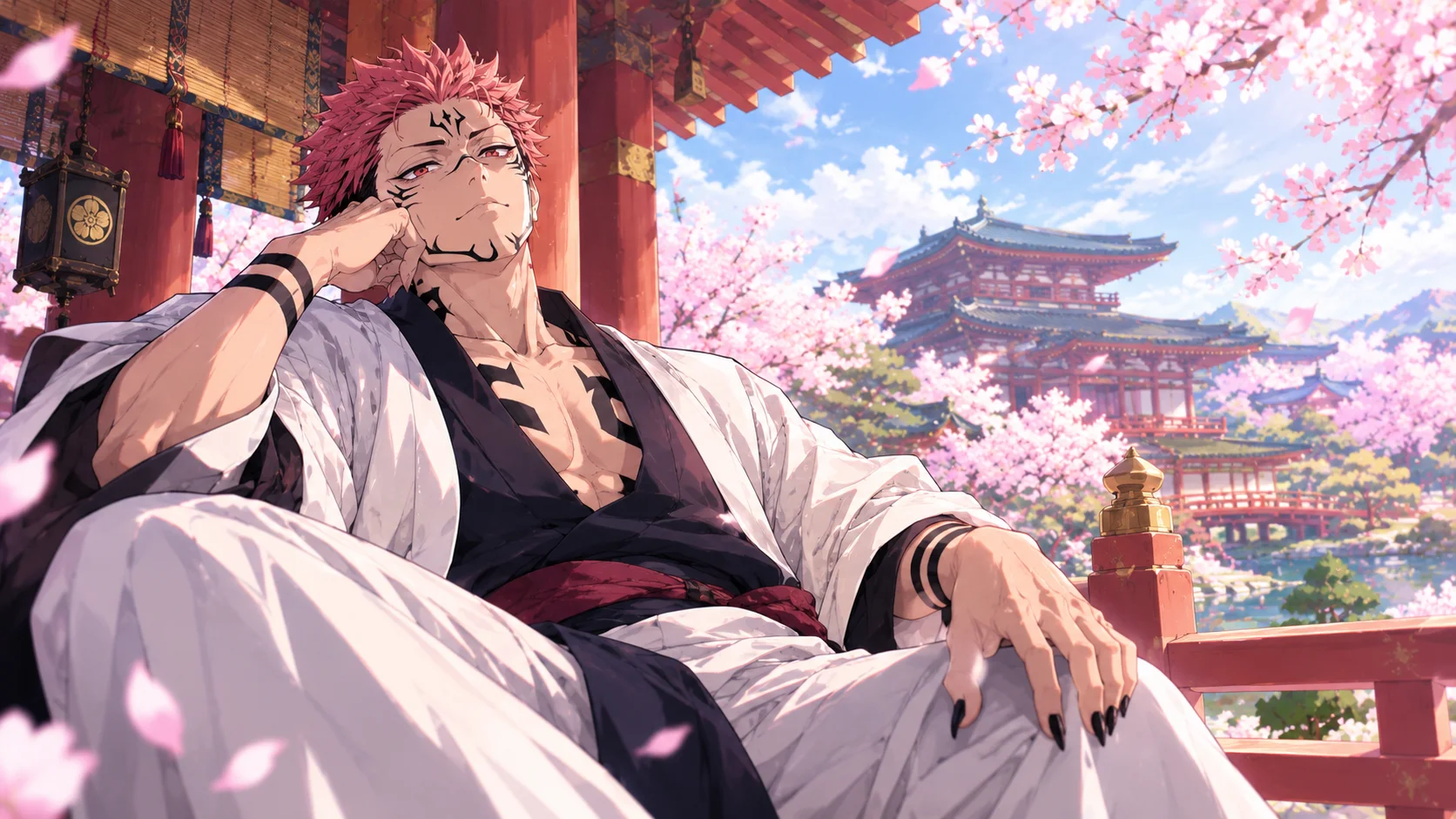
Ryomen Sukuna lived more than a thousand years before the main events of Jujutsu Kaisen, during the Heian Era, which is known as the Golden Age of Jujutsu. He was originally a human sorcerer whose extraordinary power and terrifying reputation made him known as the King of Curses. During this period, Sukuna stood above many powerful sorcerers and became a figure feared for his strength, fighting skills, and merciless nature. The manga reveals parts of his ancient life through flashbacks and conversations, but many details about his childhood and personal history remain unknown. His unusual four-armed form, deadly cursed techniques, and remarkable combat abilities helped make him one of the most dangerous figures in jujutsu history. In this guide, we will explore Sukuna’s place in the Heian Era, his reputation among ancient sorcerers, his fighting ability, and the legacy that continued long after his original life ended.
Table of Contents
ToggleWhat Was the Heian Era in Jujutsu Kaisen?
The Heian Era is known as the Golden Age of Jujutsu in Jujutsu Kaisen because it was a period associated with powerful sorcerers and extraordinary jujutsu abilities. This era is important to Ryomen Sukuna’s history because he lived as a human sorcerer more than a thousand years before the modern story and became one of the most feared figures in jujutsu history. The world of that time included dangerous fighters who used cursed energy and individual cursed techniques in battle. Sukuna’s overwhelming strength and victories over powerful opponents helped establish his terrifying reputation. Although the manga reveals important details about this period, it does not provide a complete record of every event in Sukuna’s life. Understanding the Heian Era provides the background needed to explore his origins, his battles, and the legacy that connects his ancient life to the modern world.
When Did the Heian Era Take Place?
The historical Heian period in Japan lasted from 794 to 1185, making it an important era in Japanese history. In Jujutsu Kaisen, Ryomen Sukuna’s original life is associated with this ancient period, more than a thousand years before the main events of the story. However, the manga does not confirm Sukuna’s exact birth year, so it is better not to assign him a specific historical date. His life belonged to a world that was very different from the modern age in which Yuji Itadori and other characters live. The passage of more than a thousand years also helps explain why Sukuna’s name became part of jujutsu history and why his return was such a major event.
Why Was It Called the Golden Age of Jujutsu?
The Heian Era is described in Jujutsu Kaisen as the Golden Age of Jujutsu because it was associated with powerful sorcerers and remarkable abilities. During this period, formidable fighters existed whose cursed energy and techniques made battles extremely dangerous. Sukuna became one of the most terrifying figures of this age, earning a reputation that continued long after his original life ended. His strength was so extraordinary that even powerful sorcerers regarded him as a serious threat. The title King of Curses reflects the fear and respect surrounding his abilities, although Sukuna was originally a human sorcerer rather than a cursed spirit. His place in this era helps readers understand why his reputation remained important in the modern story.
Sorcerers and Cursed Techniques in the Heian Era
Cursed energy and cursed techniques were central to the world of jujutsu during Sukuna’s era. Sorcerers used cursed energy to strengthen their attacks, defend themselves, and activate abilities connected to their individual techniques. Battles depended on more than raw power, as experience, timing, technique knowledge, and the ability to respond to an opponent could also make a difference. Sukuna stood out because he combined immense power with exceptional combat ability and a deep understanding of jujutsu. However, the manga does not explain every aspect of how sorcerers trained or how all jujutsu rules operated during the Heian Era. For a closer look at one of the foundations of sorcery, read our guide to cursed energy.
Why the Heian Era Matters to Sukuna's Story
The Heian Era is essential to Sukuna’s story because it provides the setting for his original life as a human sorcerer and the rise of his fearsome reputation. His battles with powerful opponents helped establish his position as one of the strongest figures in jujutsu history. His unusual body, cursed techniques, and merciless attitude also contributed to the way other sorcerers viewed him. Although the manga reveals parts of his past, several questions about his early life and final days remain unanswered. These mysteries connect to other parts of his history, including his twin brother and the events surrounding his reincarnation. Learning about the Heian Era therefore gives readers a stronger foundation for understanding Sukuna’s long-lasting influence on the modern world.
Who Was Ryomen Sukuna During the Heian Era?
Ryomen Sukuna was a powerful human sorcerer who lived during the Heian Era, a period remembered in Jujutsu Kaisen as the Golden Age of Jujutsu. His extraordinary strength, mastery of cursed energy, and ruthless attitude made him one of the most feared figures in jujutsu history. Unlike ordinary sorcerers, Sukuna showed little concern for the rules or values that governed other people, choosing instead to live according to his own desires. His reputation became so terrifying that people came to regard him as the King of Curses, a title reflecting his overwhelming power and fearsome legacy. However, Sukuna was not originally a cursed spirit; he began his existence as a human before his power and later transformation shaped how the world remembered him. Understanding his original identity helps explain why he became such an important figure in the history of jujutsu and why his return threatened the modern era.
Sukuna Was Originally a Human Sorcerer
Ryomen Sukuna was originally a human sorcerer, not a cursed spirit born from the negative emotions of people. During his lifetime in the Heian Era, he possessed extraordinary cursed energy and combat abilities that placed him far beyond most opponents. His unusual body and immense power made him a frightening presence, while his cruel behavior strengthened the fear surrounding his name. Although the manga does not reveal every detail of his early life, it establishes that Sukuna existed as a human before becoming the legendary figure known throughout jujutsu history. His identity is important because it distinguishes his original life from his later existence through cursed objects. Even after his physical life ended, his power continued to influence the world through his twenty fingers, which became indestructible cursed objects.
Why Was Sukuna Known as the King of Curses?
Sukuna became known as the King of Curses because of his overwhelming power, terrifying reputation, and dominance over other formidable sorcerers. During the Heian Era, he stood above many powerful opponents and became a figure that even experienced jujutsu practitioners had reason to fear. His mastery of cursed energy, lethal combat methods, and merciless personality made him more than a dangerous fighter; he became a symbol of the extreme power that a sorcerer could possess. The title reflects the fear and respect associated with his name rather than proving that he was born as a cursed spirit. Sukuna’s original humanity and his later status as a legendary curse-related figure are two different aspects of his story. His reputation continued into the modern era, where his return revealed why generations of sorcerers remembered him as an exceptional threat.
Sukuna's Reputation Among Ancient Sorcerers
Among the sorcerers of the Heian Era, Sukuna was remembered as an exceptionally dangerous opponent whose strength made him difficult to challenge. The manga refers to formidable groups associated with the forces that opposed him, including the Sun, Moon, and Stars Squad and the Five Empty Generals. These references suggest that Sukuna’s conflicts involved powerful figures and organized forces rather than only ordinary sorcerers. However, the manga does not provide a complete record of every battle he fought or explain every encounter in detail. His reputation rests on his extraordinary dominance during the Golden Age of Jujutsu and the lasting fear attached to his name. This historical standing also helps explain why his battles in the modern era attracted so much attention, particularly his confrontation with Satoru Gojo, which can be explored further in Sukuna vs Gojo.
The Meaning of Sukuna's Title, the Disgraced One
In Jujutsu Kaisen, Sukuna is also associated with a title commonly translated as “the Disgraced One” or “the Fallen,” depending on the translation. This title contributes to his image as a figure who stands outside ordinary moral expectations and the accepted order of jujutsu society. It reflects the unusual and unsettling position he occupies in the story, where immense power exists alongside cruelty and disregard for others. However, the manga provides limited information about the precise origin of this title and the full historical circumstances behind it. It is therefore better not to assume that the name refers to one specific crime, punishment, or event unless the story directly confirms it. Alongside the title King of Curses, it reinforces Sukuna’s identity as a legendary figure whose human origins, fearsome reputation, and lasting influence make him central to the history of jujutsu.
Sukuna's Appearance and Unusual Body in the Heian Era
Ryomen Sukuna’s original Heian Era form was one of the most unusual physical appearances shown in Jujutsu Kaisen, setting him apart from ordinary human sorcerers. His body featured four arms, an additional mouth, and other distinctive characteristics that made his appearance both intimidating and highly unusual. These features were not merely visual details; they also gave him practical advantages when using jujutsu in battle. With multiple arms and a mouth on his abdomen, Sukuna could perform certain actions while maintaining other combat movements, making it harder for opponents to interrupt his techniques. His original form demonstrated how his physical structure complemented his extraordinary skill as a sorcerer. Although the manga clearly depicts these unusual features, it does not fully explain every detail of how his body developed or why he possessed this form from the beginning.
Sukuna's Four Arms and Two Faces
Sukuna’s original form is best known for its four arms, two eyes on each side of his face, and an additional mouth located on his abdomen. These features give him a distinctive appearance that differs greatly from that of an ordinary human sorcerer. His extra arms allow him to perform hand signs while keeping other limbs available for attacking, defending, or grappling with an opponent. The additional mouth also allows him to chant without relying solely on his main mouth, helping him maintain other actions during combat. Together, these physical characteristics make Sukuna particularly difficult to confront because his opponent must account for several actions happening at once. Although his appearance is sometimes described as having two faces, it is more accurate to describe the specific anatomical features shown in the manga rather than assume he has two completely separate faces.
How Sukuna's Body Helped Him in Battle
Sukuna’s unusual body gave him practical advantages that complemented his mastery of jujutsu and made him exceptionally effective in close combat. His four arms allowed him to combine offensive and defensive movements while also performing the hand signs required for certain techniques. Meanwhile, his additional mouth enabled him to chant without necessarily interrupting his other actions, helping him maintain the conditions needed to strengthen his jujutsu. These advantages were especially valuable against powerful opponents, because even a brief interruption could create an opening for an enemy to attack. His physical structure therefore worked alongside his cursed energy control, combat experience, and tactical judgment rather than replacing those skills. To understand how these physical advantages fit into his broader fighting ability, readers can also explore Sukuna’s combat skills.
Why Sukuna's Form Was Different From Other Sorcerers
Unlike most human sorcerers, who have an ordinary human body, Sukuna’s original form possesses multiple arms and an additional mouth, making his anatomy exceptionally unusual. The manga presents these features as real characteristics of his Heian Era appearance, and Sukuna demonstrates how effectively he can use them during combat. His body is particularly suited to the demands of high-level jujutsu because it allows him to combine hand signs, chants, and physical actions more efficiently. However, the story does not fully explain the biological or supernatural process that produced his original form, so the exact cause should not be presented as established fact. His unusual appearance is also separate from his later existence as cursed objects, which preserved his power after his original life ended. Ultimately, Sukuna’s body is one of the defining features of his identity, but its complete origin remains an area where the manga leaves important details unexplained.
How Powerful Was Sukuna in the Heian Era?
Ryomen Sukuna was regarded as the strongest sorcerer in history, and his reputation during the Heian Era established him as one of the most terrifying figures in jujutsu history. His power came from a combination of immense cursed energy, a devastating innate technique, exceptional physical abilities, and an advanced understanding of jujutsu. Sukuna could overwhelm powerful opponents through direct attacks, clever tactics, and precise control of his abilities, making him dangerous at both close and long range. His Domain Expansion, Malevolent Shrine, further demonstrated his extraordinary mastery by operating without a conventional closed barrier. Beyond his technical strength, Sukuna’s ruthless personality and willingness to exploit an opponent’s weaknesses made facing him especially dangerous. While the manga does not provide numerical measurements of his Heian Era power, the battles and historical references establish why he became known as the King of Curses.
Sukuna's Strength as a Sorcerer
Sukuna is widely regarded as the strongest sorcerer in history, a reputation built on his extraordinary performance against powerful opponents and his mastery of jujutsu. During the Heian Era, he stood at the top of a world filled with formidable sorcerers, making him an exceptionally difficult enemy to defeat. His strength was not limited to destructive power; he could also adapt to changing situations and identify ways to overcome an opponent’s abilities. The manga does not assign him a numerical power level or provide a complete ranking of every sorcerer from his original era. Instead, his standing is demonstrated through his reputation, technical mastery, and the scale of his later battles. Readers who want to explore his raw physical power in greater detail can visit the dedicated page on Sukuna’s Physical Strength.
Sukuna's Cursed Energy and Cursed Technique
One of the foundations of Sukuna’s power is his immense cursed energy, which allows him to perform demanding jujutsu techniques with extraordinary effectiveness. His innate cursed technique, known as Shrine, includes the devastating slashing attacks Dismantle and Cleave, as well as the powerful fire-based ability commonly called Furnace. Dismantle can cut targets with a ranged slash, while Cleave adjusts to its target’s toughness and cursed energy in relevant applications. Furnace adds another dimension to his offensive capabilities, making Sukuna dangerous beyond his cutting attacks alone. His skill comes not just from possessing these abilities but also from knowing how and when to use them against different opponents. For a more detailed explanation of his energy reserves and control, readers can explore Sukuna’s Cursed Energy.
Sukuna's Domain Expansion in His Original Era
Sukuna’s Domain Expansion, Malevolent Shrine, is one of the clearest demonstrations of his advanced understanding of jujutsu. Unlike a typical Domain Expansion that encloses its target inside a separate barrier, Malevolent Shrine can manifest without a conventional closed barrier, allowing its effects to extend across a defined area. Within its effective range, the domain unleashes repeated slashing attacks, making it extremely dangerous for opponents who cannot escape or counter its effects. This unusual structure reflects Sukuna’s exceptional technical skill and distinguishes his domain from many others shown in the series. However, its operation still depends on specific conditions and limitations, so it should not be described as an attack with unlimited range or unavoidable results in every situation. Readers seeking a deeper explanation of open domains, barriers, and their mechanics can visit the page on Sukuna’s Barrier Techniques.
Sukuna's Physical Ability and Combat Skills
Sukuna’s combat ability extends well beyond his cursed techniques, as his physical strength, speed, reflexes, and fighting experience make him dangerous even in direct hand-to-hand encounters. His original four-armed form gives him additional options for attacking, defending, grappling, and performing hand signs while fighting. He also demonstrates exceptional judgment, reading his opponents’ movements and adjusting his approach instead of relying on brute force alone. These qualities allow him to combine physical attacks with cursed techniques in ways that can leave opponents struggling to respond. His technical understanding and calm decision-making are important parts of his effectiveness, particularly when facing other highly skilled sorcerers. For more detail, readers can explore Sukuna’s Physical Strength and his overall Combat Skills.
Why Other Sorcerers Feared Fighting Sukuna
Sukuna was a terrifying opponent because several dangerous qualities came together in one sorcerer: immense power, lethal techniques, exceptional battle intelligence, and a merciless attitude. An opponent could not rely on physical strength alone to challenge him, since his cursed techniques and tactical decisions created additional threats throughout a fight. His ability to recognize weaknesses and exploit mistakes made even a brief opening potentially costly. His personality added to this danger because he showed little compassion for those who stood in his way and was willing to kill without hesitation. References to powerful groups associated with the forces opposing him also indicate that his reputation extended beyond encounters with ordinary sorcerers, although the manga does not document every confrontation in full. Ultimately, Sukuna was feared not because every sorcerer reacted to him identically, but because his demonstrated abilities and ruthless behaviour made him an exceptionally dangerous enemy.
Sukuna's Battles and Reputation in the Heian Era
Ryomen Sukuna’s reputation as the King of Curses was shaped by his overwhelming strength and his encounters with powerful sorcerers during the Heian Era. This period is described in Jujutsu Kaisen as the Golden Age of Jujutsu, when formidable practitioners and dangerous techniques made the jujutsu world especially competitive. Sukuna stood out even among these powerful figures, becoming a terrifying opponent whose name continued to influence sorcerers long after his original life ended. The manga refers to groups connected to the forces that opposed him, including the Sun, Moon, and Stars Squad and the Five Empty Generals. However, these historical references do not provide a complete record of every battle or identify every opponent he defeated. Understanding the difference between established information and missing details helps explain Sukuna’s reputation without turning speculation into canon.
The Strong Sorcerers Who Challenged Sukuna
During the Heian Era, Sukuna existed in a world that included powerful sorcerers capable of using advanced cursed techniques and challenging formidable opponents. The manga’s references to groups associated with forces opposing him indicate that his reputation developed within a setting where exceptional strength was not uncommon. Nevertheless, Sukuna became known for standing above other sorcerers through his overwhelming power, technical skill, and ruthless approach to combat. The story does not provide a complete list of every individual who challenged him, nor does it show every encounter from beginning to end. It would therefore be inaccurate to invent names, battle outcomes, or specific techniques for opponents whose histories remain unexplored. What the available information establishes is that Sukuna’s reputation was extraordinary even within the era remembered as the Golden Age of Jujutsu.
The Sun, Moon, and Stars Squad
The Sun, Moon, and Stars Squad is mentioned in connection with the powerful forces associated with the Fujiwara clan during Sukuna’s era. Its place in the story helps establish that Sukuna’s historical opponents included groups connected to influential figures and organized forces, rather than only isolated individuals. The reference contributes to the picture of a dangerous period in which powerful sorcerers and their affiliations played a role in the conflicts surrounding Sukuna. However, the manga does not provide a detailed account of the squad’s individual members, complete combat abilities, or every encounter involving Sukuna. Readers should be careful not to treat additional details from fan discussions as confirmed events unless the manga supports them. For this page, the squad is most useful as evidence of the formidable opposition associated with Sukuna’s Heian Era reputation, rather than as the subject of an invented battle narrative.
The Five Empty Generals
The Five Empty Generals are another group connected to the powerful forces that existed during Sukuna’s original era. Their mention adds context to the scale of the opposition associated with him and reinforces that the Heian Era contained influential figures and formidable sorcerers. However, the manga does not provide enough information to reconstruct a complete history of the generals, including detailed biographies, individual techniques, or the precise outcomes of separate battles against Sukuna. It is important to distinguish the group’s established place in the story from details that remain unknown. Without further confirmation, assigning specific victories, losses, or personal rivalries to its members would go beyond the available canon. Their significance lies in helping readers understand the powerful environment in which Sukuna established his fearsome reputation.
Why Sukuna Was Difficult to Defeat
Sukuna was difficult to defeat because his extraordinary cursed energy, lethal techniques, unusual physical form, and combat knowledge worked together to create a wide range of threats. His four arms and additional mouth allowed him to perform physical actions, hand signs, and chants in ways that an ordinary human body could not easily match. He could also combine devastating attacks with careful tactical decisions, making it difficult for opponents to rely on one defensive strategy throughout a fight. Rather than depending entirely on raw power, Sukuna demonstrated the ability to study opponents, recognize openings, and adapt his approach when circumstances changed. His merciless personality made these advantages even more dangerous because he showed little hesitation when exploiting an enemy’s mistakes. This combination of physical advantages and technical mastery helps explain his reputation without requiring unsupported claims about every battle he fought.
What We Know About Sukuna's Heian Era Battles
The manga establishes that Sukuna was an exceptionally powerful sorcerer during the Heian Era and refers to formidable groups associated with the forces that opposed him. These details support his reputation as one of the most dangerous figures in jujutsu history, but they do not provide a complete chronological account of his battles. Many questions remain unanswered, including the full identities of his challengers, the details of individual encounters, and the exact circumstances behind every victory attributed to his reputation. Readers should therefore separate information directly supported by the manga from interpretations and theories shared by fans. A missing battle record does not weaken Sukuna’s established status, but it does limit how specifically his past can be described. As the story provides only selected glimpses of his original era, the most accurate approach is to explain what is confirmed while clearly acknowledging what remains unknown.
Sukuna's Personality and Way of Life in the Heian Era
Ryomen Sukuna’s personality was defined by selfishness, cruelty, pride, and an unwavering belief that he had the right to live according to his own desires. During the Heian Era, he did not present himself as a protector of ordinary people or someone bound by the moral expectations of society. Instead, he placed his own interests above the safety and feelings of others, showing little hesitation when violence served his purposes. Sukuna also valued strength and demonstrated an interest in opponents who could offer him a genuine challenge. Although he could recognize an enemy’s abilities, this did not make him compassionate or cause him to abandon his ruthless outlook. These traits help explain why Sukuna became more than a powerful sorcerer: his attitude toward life, power, and other people made him a uniquely dangerous figure in jujutsu history.
Sukuna's Cruel and Merciless Nature
Sukuna is known for his merciless attitude and his willingness to kill or harm others without displaying the compassion expected from an ordinary person. He rarely treats another person’s suffering as a reason to change his actions, especially when someone stands in his way or becomes part of his amusement. During the Heian Era, this ruthless outlook contributed to the fear surrounding his name and strengthened his reputation as the King of Curses. His cruelty is not limited to his fighting style; it is also reflected in the way he speaks to others and dismisses their values, hopes, and lives. However, the manga does not establish a complete account of his childhood or prove that one particular early experience caused his personality. His merciless nature is best understood through his demonstrated choices and behaviour rather than through unsupported explanations of his past.
Sukuna's Belief in Strength
Strength plays a central role in Sukuna’s worldview, and he tends to judge others according to their abilities, resolve, and capacity to survive a confrontation. He often looks down on those he considers weak, showing little respect for people who rely on moral appeals or expect him to spare them out of compassion. This outlook contrasts with sorcerers such as Satoru Gojo and Yuji Itadori, whose actions are often connected to protecting others and accepting responsibility for people around them. Sukuna, by comparison, does not believe that possessing power automatically creates a duty to help the weak. He is more interested in what strength allows him to do than in how it can be used for the benefit of society. This difference is central to understanding his character and becomes especially clear when comparing Sukuna’s choices with Yuji’s determination to save others in Sukuna and Yuji’s relationship.
Did Sukuna Follow the Rules of Jujutsu Society?
Sukuna does not behave like a sorcerer who believes his abilities should be used to protect society or serve an established moral duty. His decisions are driven primarily by his own desires, and he shows little concern for rules that might restrict his freedom or prevent him from doing what he wants. Rather than accepting the responsibilities associated with protecting ordinary people, he treats other individuals as obstacles, sources of amusement, or opponents to be judged by their strength. However, the Heian Era should not be assumed to have operated under exactly the same jujutsu institutions and procedures shown in the modern storyline. The manga offers limited detail about the full structure of the era’s sorcerer society, so it is more accurate to describe Sukuna as rejecting ordinary moral expectations than to claim that he repeatedly violated specific modern regulations. His independence from conventional duties reflects his self-centred philosophy and disregard for the well-being of others.
Sukuna's Interest in Exceptional Opponents
Although Sukuna is cruel and arrogant, he can recognize exceptional strength and skill when he encounters an opponent capable of challenging him. Powerful sorcerers interest him because their abilities can create a more engaging fight and reveal how far another person’s talent can go. His confrontations with formidable enemies demonstrate that he pays attention to their techniques, decisions, and potential rather than dismissing every opponent as equally insignificant. However, recognizing someone’s strength does not mean that Sukuna respects their moral beliefs or feels responsible for their survival. He can acknowledge an opponent’s abilities while remaining willing to defeat or kill them when it suits his desires. This distinction makes his personality more complex without suggesting that he is secretly kind or motivated by a hidden desire to protect others.
Sukuna's Connections During the Heian Era
Although Ryomen Sukuna is primarily remembered for his overwhelming strength and merciless personality, several people are connected to his life during the Heian Era. These connections offer a limited but important glimpse into the people who existed around him before his legacy continued into the modern era. Uraume served as Sukuna’s devoted ally, while Yorozu was a powerful sorcerer whose feelings for him influenced her actions. The manga also reveals a significant detail about Sukuna’s family history: he consumed his twin brother in the womb, and that twin’s soul later reincarnated as Jin Itadori, Yuji Itadori’s father. However, the story does not provide a complete account of Sukuna’s parents, childhood, or early relationships. Understanding these confirmed connections helps readers explore his past while keeping established facts separate from unanswered questions.
Uraume and Their Loyalty to Sukuna
Uraume is one of the most important figures connected to Sukuna’s life, serving as a devoted ally and attendant who remained loyal to him across the centuries. During the Heian Era, Uraume was associated with Sukuna and possessed their own formidable abilities, including a powerful ice-based cursed technique. Their loyalty continued beyond Sukuna’s original lifetime, as Uraume played a role in the events surrounding his return in the modern era. Unlike many people who feared Sukuna because of his reputation, Uraume demonstrated a strong commitment to him and actively supported his plans. However, the manga does not fully explain every stage of their relationship or provide a complete account of their first meeting. Their connection remains an important part of Sukuna’s history, showing that even a figure who treated most people with contempt had a devoted follower.
Sukuna's Twin Brother
One of the most significant revelations about Sukuna’s origins is that he had a twin brother whom he consumed while they were still in the womb. The manga later explains that the twin’s soul reincarnated as Jin Itadori, who became the father of Yuji Itadori. This connection creates an unusual link between Sukuna and Yuji, connecting the King of Curses to the family history of the person who eventually becomes his vessel. It also adds another layer to Sukuna’s origin, although the story does not provide a complete account of his family or explain every circumstance surrounding the pregnancy. The twin’s identity and reincarnation are important confirmed details, but additional claims about the brothers’ relationship should not be treated as canon without evidence. For a deeper explanation of this revelation and its significance, read the dedicated page on Sukuna’s Twin Brother.
Yorozu and Sukuna
Yorozu was a powerful sorcerer from the Heian Era who developed intense feelings for Sukuna. Her desire to connect with him influenced her behaviour and eventually became part of the conflict between them when she reincarnated in the modern era through the Culling Game. Sukuna, however, did not demonstrate the same romantic attachment, and their connection should not be mistaken for a mutual love story. Their encounter is particularly significant because Sukuna’s actions during their battle were connected to his larger plans involving Megumi Fushiguro and the Ten Shadows Technique. The manga reveals important details about Yorozu’s feelings and Sukuna’s decisions, but this page does not need to repeat the complete battle or its strategic implications. Readers can explore the full events in Sukuna vs Yorozu.
What We Know About Sukuna's Family and Early Life
Despite Sukuna’s central role in Jujutsu Kaisen, the manga reveals relatively little about his family background and early life. The confirmed revelation about his twin brother provides an important detail about his origins, but the story does not establish a complete account of his parents, childhood experiences, or upbringing. It is therefore difficult to determine exactly how Sukuna developed his worldview or why his unusual physical form appeared as it did. Claims about his family circumstances, early suffering, or specific childhood events should be treated as speculation unless supported by the manga. The limited information also means that readers cannot confidently explain every aspect of his personality through his upbringing. For now, Sukuna’s confirmed history is best understood through the revelations provided in the story, while the unanswered parts of his early life remain open questions rather than established facts.
What Happened to Sukuna After the Heian Era?
Ryomen Sukuna’s life as a human sorcerer eventually came to an end, but his influence did not disappear with his death. Rather than becoming a forgotten figure of the Heian Era, he remained connected to the world of jujutsu through twenty powerful cursed objects that preserved his existence. These objects, commonly known as Sukuna’s fingers, continued to hold his immense cursed energy and became central to the events that unfolded more than a thousand years later. His survival in this form created a connection between the Golden Age of Jujutsu and the modern generation of sorcerers. When Yuji Itadori consumed one of Sukuna’s fingers, the ancient sorcerer’s presence returned to the world, beginning a new chapter in his long history. The exact circumstances of Sukuna’s death remain incompletely explained, but his transformation into cursed objects made his eventual return possible.
The End of Sukuna's Original Life
Sukuna eventually reached the end of his original life as a human sorcerer, bringing his time in the Heian Era to a close. However, Jujutsu Kaisen does not provide a complete, straightforward account of how he died or describe every event surrounding the end of his human existence. The manga does not clearly establish a final battle in which a named opponent killed him, so assigning credit to a specific sorcerer would be unsupported. What the story does establish is that Sukuna’s physical life ended without his power being completely erased from the world. His continued existence through cursed objects became one of the most important parts of his legacy. For a more focused explanation of what is confirmed about this transition, readers can explore the dedicated page on Sukuna’s Death.
How Sukuna's Power Survived His Death
Even after his original life ended, Sukuna’s immense power remained preserved through twenty indestructible cursed objects commonly represented by his fingers. These objects retained his cursed energy and became dangerous relics that could influence events long after the Heian Era had passed. Their extraordinary durability meant that ordinary attempts to destroy them could not permanently eliminate the threat they represented. Instead, the fingers were preserved and scattered, leaving Sukuna’s power connected to the world across generations. This unusual survival explains how a sorcerer from more than a thousand years earlier could become central to the modern storyline. The complete process behind Sukuna’s existence as cursed objects deserves a separate explanation, so readers can visit the dedicated Sukuna Reincarnation page for more detail.
How the Heian Era Connects to Sukuna's Return
Sukuna’s connection to the modern era began with the survival of his cursed objects, which remained part of the jujutsu world long after the Heian Era ended. His return took a decisive step when Yuji Itadori swallowed one of Sukuna’s fingers, allowing the ancient sorcerer’s presence to manifest within a living human body. This event connected the history of the Golden Age of Jujutsu to a new generation of sorcerers who had never experienced Sukuna’s original reign. Yuji’s unusual ability to serve as Sukuna’s vessel became central to the conflict that followed, creating a struggle between the two that shaped much of the modern story. The return did not simply restore a forgotten historical figure; it brought an ancient threat back into a world that had changed considerably over a thousand years. Readers can follow this transition in greater detail through the pages on Sukuna’s Reincarnation and Sukuna in the Modern Era.
What Is Confirmed About Sukuna's Heian Era History?
Ryomen Sukuna’s Heian Era history is an important part of Jujutsu Kaisen, but the manga reveals only selected details about his original life and reputation. Some facts are clearly established, including his identity as a human sorcerer, his extraordinary strength, his unusual physical form, and the survival of his power through twenty cursed objects. Other parts of his history, such as his exact birth date, childhood, and the complete circumstances of his death, remain largely unexplained. This gap between confirmed information and unanswered questions has encouraged many fan theories about Sukuna’s origins and past. However, a convincing theory is not automatically an official part of the story, even when it seems to explain his personality or appearance. Separating manga canon from speculation allows readers to understand Sukuna’s history accurately without treating unknown details as established facts.
Facts Confirmed in the Manga
The manga confirms that Ryomen Sukuna originally lived as a human sorcerer during the Heian Era, a period remembered as the Golden Age of Jujutsu. He became known as the King of Curses because of his extraordinary power and terrifying reputation among sorcerers. His original form featured four arms and an additional mouth, physical characteristics that gave him practical advantages when using jujutsu. The story also establishes his exceptional mastery of cursed energy, his Shrine technique, and his Domain Expansion, Malevolent Shrine. After his original life ended, his power remained preserved in twenty indestructible cursed objects commonly represented by his fingers. These confirmed details explain why Sukuna remained an influential figure in jujutsu history long after the Heian Era ended.
Details the Manga Has Not Fully Revealed
Although the manga provides important information about Sukuna, several aspects of his Heian Era history remain incomplete. His exact birth date, the full circumstances of his childhood, and the identities and backgrounds of his parents have not been established in sufficient detail to create a complete biography. The story also does not document every battle he fought, identify every opponent he defeated, or provide a complete chronological record of his activities during the era. Similarly, the precise circumstances of his death as a human and every step associated with the preservation of his power are not explained in full. Some aspects of his relationships with figures such as Uraume and Yorozu are revealed, but their entire histories are not presented. These gaps should be acknowledged rather than filled with assumptions, allowing readers to distinguish what the manga establishes from what remains unknown.
Common Misunderstandings About Heian Era Sukuna
One common misunderstanding is that Sukuna was born as a cursed spirit, when the manga establishes that he originally lived as a human sorcerer. Another mistake is assuming that every battle attributed to his Heian Era reputation has been fully shown or documented, even though the story provides only limited historical references. Readers should also avoid treating theories about his childhood, family circumstances, or the exact cause of his unusual body as confirmed facts. His title, King of Curses, describes his legendary status and does not establish that he was a cursed spirit from birth. Similarly, the absence of a complete account of his death does not justify naming a specific killer or inventing a final battle. The most reliable way to understand Sukuna is to follow the manga’s confirmed revelations while keeping interpretations and fan theories clearly separate from canon.
Why the Heian Era Still Matters in Modern Jujutsu Kaisen
The Heian Era remains important in Jujutsu Kaisen because the events and powerful figures of that period continue to shape the modern jujutsu world. Ryomen Sukuna’s reputation as the strongest sorcerer in history creates a standard against which modern characters measure their own abilities and confront their greatest challenges. His return through Yuji Itadori brings an ancient threat into a society that has developed different techniques, strategies, and expectations over more than a thousand years. Sukuna’s possession of Megumi Fushiguro’s body further connects his historical knowledge and power to the conflicts involving the Ten Shadows Technique and Mahoraga. His battle against Satoru Gojo also demonstrates how a sorcerer from the Heian Era could influence the balance of power in the modern age. By understanding Sukuna’s past, readers can better appreciate the scale of these conflicts and the lasting consequences of his return.
Sukuna's Legacy as the Strongest Sorcerer in History
Sukuna’s reputation as the strongest sorcerer in history influences how modern characters understand the limits of jujutsu and the dangers of confronting an exceptional opponent. His historical standing creates enormous expectations whenever he faces powerful modern sorcerers, including Satoru Gojo, whose abilities make him one of the most formidable figures of his own era. Their confrontation is significant because it brings together two extraordinary sorcerers from different periods and tests their mastery of jujutsu. Sukuna’s legacy also affects Yuji Itadori, who must confront the consequences of becoming the vessel for such a dangerous presence. Rather than remaining a distant historical legend, Sukuna becomes an immediate threat whose strength forces modern sorcerers to reconsider what is possible. His influence therefore extends beyond his own battles, shaping the stakes and expectations of the modern storyline.
The Connection Between the Heian Era and the Modern Era
The connection between the Heian Era and the modern era is made possible by the survival of Sukuna’s power through twenty indestructible cursed objects. These objects preserved his existence long after his original human life ended, allowing his influence to continue across more than a thousand years. When Yuji Itadori consumed one of Sukuna’s fingers, the ancient sorcerer returned to the modern world through Yuji’s body. Later events involving Megumi Fushiguro demonstrate how Sukuna’s plans could also affect another modern sorcerer and change the course of major conflicts. The return of reincarnated sorcerers during the Culling Game further connects ancient jujutsu history with the struggles of the present. Through these events, the manga shows that the past is not simply a collection of forgotten stories; it remains an active force shaping the modern world.
Why Understanding Sukuna's Past Matters
Understanding Sukuna’s Heian Era history helps readers see how his power, personality, and reputation developed before he became central to the modern storyline. His human origins clarify why the title King of Curses should not be confused with being born as a cursed spirit. His unusual body, mastery of jujutsu, and ruthless worldview also help explain why he was feared by powerful sorcerers of his original era. Learning about his connections with Uraume, Yorozu, and his twin brother adds context to important parts of his history without suggesting that every detail of his life is known. His survival through cursed objects then explains how his ancient legacy became directly connected to Yuji, Megumi, and Gojo. Ultimately, exploring Sukuna’s past provides a clearer understanding of his role in Jujutsu Kaisen and helps readers follow the wider story with a stronger grasp of its historical connections.
Final Takeaway
Ryomen Sukuna’s history in the Heian Era explains why he became one of the most feared and powerful figures in Jujutsu Kaisen. As a human sorcerer, his extraordinary strength, unusual physical form, mastery of jujutsu, and merciless personality established his reputation as the King of Curses. His connections with Uraume, Yorozu, and his twin brother also reveal important parts of his past, although many details about his childhood, battles, and original death remain unexplained. Even after his human life ended, his power survived through twenty cursed objects, allowing his influence to reach the modern era through Yuji Itadori. Understanding this history helps readers appreciate the connection between ancient jujutsu and the conflicts involving Sukuna, Yuji, Megumi, and Gojo. To explore more about his abilities, relationships, battles, and legacy, visit Ryomen Sukuna and discover the complete story of the King of Curses.
Frequently Asked Questions
Was Sukuna Born in the Heian Era?
Sukuna’s original life is associated with the Heian Era, more than a thousand years before the main events of Jujutsu Kaisen. He lived as a human sorcerer during this period, which is remembered as the Golden Age of Jujutsu. However, the manga does not establish his exact birth date or provide a complete account of his early life.
Was Sukuna a Human or a Cursed Spirit?
Ryomen Sukuna was originally a human sorcerer, not a cursed spirit by birth. His immense power and terrifying reputation eventually earned him the title King of Curses. After his original life ended, his power survived through twenty indestructible cursed objects, allowing him to return in the modern era.
Why Was the Heian Era Called the Golden Age of Jujutsu?
The Heian Era is called the Golden Age of Jujutsu because it was remembered as a period filled with exceptionally powerful sorcerers and formidable jujutsu abilities. It was an era in which extraordinary practitioners, dangerous techniques, and powerful conflicts shaped the history of the jujutsu world. Sukuna’s overwhelming strength and reputation became some of the most significant examples of the power associated with this period.
How Strong Was Sukuna During the Heian Era?
Sukuna was regarded as the strongest sorcerer in history, standing above many formidable opponents during the Heian Era. His immense cursed energy, Shrine technique, Malevolent Shrine, unusual physical form, and exceptional combat intelligence made him extremely difficult to defeat. The manga does not assign him a numerical power level, but his reputation and demonstrated abilities establish his extraordinary strength.
Did Sukuna Have Four Arms and Two Faces?
Sukuna’s original Heian Era form is depicted with four arms and an unusual facial structure featuring two faces, along with an additional mouth on his abdomen. This distinctive anatomy separates him from ordinary human sorcerers and gives him practical advantages during combat. His extra arms allow him to perform hand signs while using other limbs, while his additional mouth helps him chant during battle.
Who Served Sukuna in the Heian Era?
Uraume was Sukuna’s devoted ally and servant during the Heian Era. Uraume possessed powerful abilities of their own and remained loyal to Sukuna long after his original life ended. Although the manga establishes their important connection, it does not fully explain every detail of their first meeting or the complete history of their relationship.
Did Sukuna Fight Gojo During the Heian Era?
No. Satoru Gojo belongs to the modern era, while Sukuna originally lived more than a thousand years earlier during the Heian Era. Their famous confrontation took place after Sukuna returned to the modern world, not during his original human life. Their battle brought together two extraordinarily powerful sorcerers from different periods of jujutsu history.
What Happened to Sukuna After the Heian Era?
After his original human life ended, Sukuna’s power survived through twenty indestructible cursed objects commonly represented by his fingers. These objects preserved his presence across more than a thousand years until Yuji Itadori consumed one, allowing Sukuna to return to the modern era. For more details, explore Sukuna’s Death, Sukuna’s Reincarnation, and Sukuna in the Modern Era.
⭐⭐⭐⭐⭐ 4.8/5 • Trusted by 4 Million+ Readers
Ryomen Sukuna - 4k Wallpapers
Ryomen Sukuna is one of the strongest and most famous characters in Jujutsu Kaisen. He is known as the King of Curses because of his incredible power, terrifying abilities, and fearsome reputation.