📚 Every Guide is Researched Before Publishing →
Sukuna’s Battle Intelligence
⭐⭐⭐⭐⭐ 4.8/5 • Trusted by 4 Million+ Readers
Related Pages
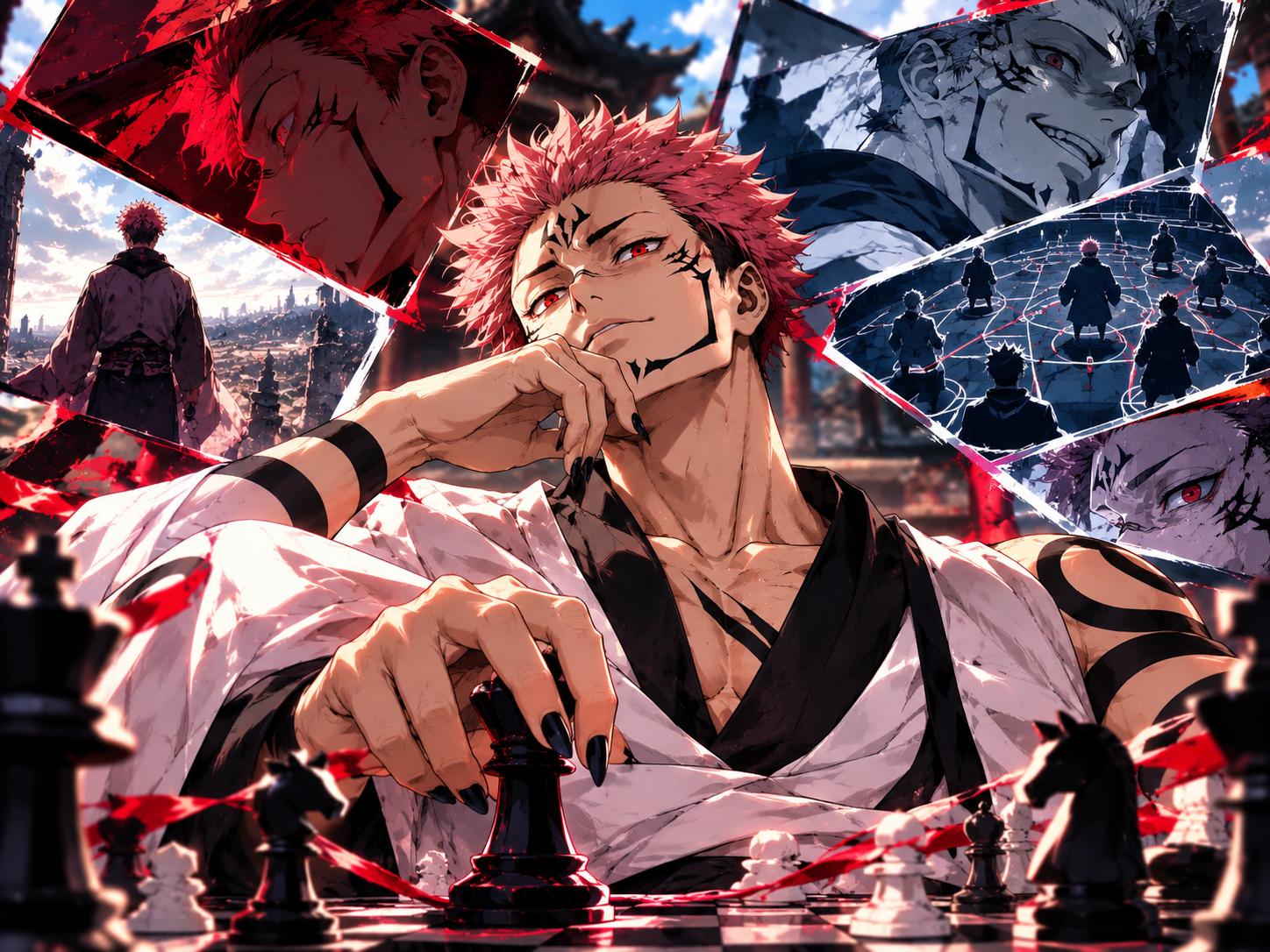
Sukuna’s battle intelligence is one of the main reasons he is such a dangerous fighter in Jujutsu Kaisen. He can quickly understand an opponent’s abilities, movements, and weaknesses during a fight. Instead of relying only on raw power, Sukuna uses careful decisions and strong knowledge of jujutsu to control battles. He can change his strategy when a situation becomes difficult or when an opponent reveals a new ability. His experience also helps him recognize patterns and find effective ways to counter different techniques. Sukuna can plan several steps ahead while still reacting quickly to unexpected attacks. This combination of battle awareness, strategy, adaptation, and experience makes his battle intelligence an important part of his fighting ability.
Table of Contents
ToggleWhat Is Sukuna’s Battle Intelligence?
Sukuna’s battle intelligence is his ability to understand, analyze, and respond to situations during combat. It includes how quickly he studies an opponent, recognizes weaknesses, and chooses the right action. Sukuna does not depend only on his powerful cursed techniques or physical strength to win fights. He also uses combat awareness to understand what is happening around him and adjust his approach. His experience allows him to make important decisions even when facing powerful or unexpected abilities. He can gather information during a fight and use it to improve his strategy, making his battle intelligence an important part of his overall fighting ability.
Understanding Battle Intelligence
Battle intelligence means the ability to think clearly and make useful decisions during a fight. It involves understanding an opponent, studying their abilities, and knowing when to attack or defend. A fighter with strong battle intelligence can learn from what happens during combat. Sukuna shows this ability by observing how his opponents fight and adjusting his actions accordingly. He can use small details from a battle to understand a larger strategy. This makes battle intelligence different from simple physical strength or raw cursed energy.
Sukuna’s Overall Intelligence in Combat
Sukuna shows strong intelligence in combat through his ability to analyze difficult situations quickly. He understands that different opponents require different approaches and does not always fight in the same way. He can combine his knowledge of jujutsu with his physical abilities and cursed techniques. Sukuna also understands when an opponent is hiding an ability or waiting for an opportunity. His long experience as a powerful sorcerer gives him a large amount of combat knowledge. This allows him to make calculated decisions instead of simply attacking without a plan.
Combat Awareness
Combat awareness is Sukuna’s ability to understand what is happening around him while fighting. He can pay attention to enemy movements, attacks, cursed techniques, and changes in the battlefield. This awareness helps him react when an opponent changes their strategy or introduces a new ability. Sukuna can also keep track of multiple threats during difficult battles. His awareness allows him to notice openings and avoid unnecessary risks when possible. This makes it harder for opponents to surprise him during combat.
Reading Opponents
Sukuna is capable of studying his opponents while they are fighting and using their actions as information. He can observe their movements, attack patterns, cursed techniques, and reactions to different situations. By watching an opponent closely, he can identify habits or openings that may become useful later. He can also change his approach when he discovers something unexpected about an enemy. This ability is especially important against opponents with complicated or unfamiliar techniques. Reading opponents allows Sukuna to turn information from the battle into practical combat decisions.
Making Decisions Under Pressure
Sukuna often has to make important decisions while facing strong attacks and dangerous opponents. His battle intelligence helps him remain focused on the situation instead of relying only on instinct. He can decide when to attack, defend, change position, or use a particular technique based on what is happening. Even when a battle becomes complicated, he can continue looking for useful options. His experience with high-level jujutsu gives him more information to draw from when making difficult choices. These decisions can affect the direction of a battle within only a short amount of time.
Using Information During Battle
Sukuna does not simply observe his opponents; he can use the information he gathers to change his strategy. Learning how a technique works can help him understand its conditions, weaknesses, and possible counters. He can also use information from one exchange to prepare for the next one. This makes each part of a battle a source of new knowledge for him. When an opponent reveals something unexpected, Sukuna can consider that information before choosing his next move. His ability to turn observations into action is an important part of his battle intelligence.
Sukuna’s Battle IQ
Sukuna’s Battle IQ describes how effectively he thinks, plans, and makes decisions during combat. He can study a situation, identify useful information, and choose actions that fit the circumstances of the fight. His tactical thinking helps him handle immediate problems, while his strategic planning allows him to think about what may happen next. Sukuna can recognize weaknesses in an opponent and use their actions to understand possible future moves. He also knows when a particular fighting approach is not working and can change his plan during the battle. These abilities allow him to remain flexible instead of following only one strategy from beginning to end.
Tactical Thinking
Tactical thinking is Sukuna’s ability to make useful decisions during the current stage of a fight. He can consider an opponent’s position, abilities, attacks, and openings before choosing his next move. Instead of always using his strongest option immediately, he can select an action that fits the situation. He can also change his tactics when an opponent creates a new problem. This allows him to handle different fighting situations without depending on one fixed method. His tactical thinking is especially important during battles where the situation changes quickly.
Strategic Planning
Strategic planning involves thinking beyond the immediate exchange and preparing for what may happen later. Sukuna can consider how different abilities may interact and how an opponent might respond to his actions. He can also keep multiple options available instead of depending completely on one attack or technique. His knowledge of jujutsu gives him more ways to build a strategy around an opponent’s abilities. This type of planning can help him prepare for difficult situations before they fully develop. Sukuna’s longer-term thinking is an important part of how he approaches complex battles.
Recognizing Weaknesses
Sukuna can look for weaknesses in an opponent’s fighting style, cursed technique, or defensive options. He pays attention to how an opponent uses their abilities and what happens when those abilities are activated. Small limitations can provide useful information that helps him choose a better response. Once he understands a weakness, he can adjust his attacks or positioning around it. This does not mean every weakness is immediately obvious, especially against unfamiliar techniques. However, his ability to study an opponent gives him opportunities to discover weaknesses during battle.
Predicting Opponent Actions
Predicting an opponent’s actions means using available information to anticipate what they may do next. Sukuna can study movement patterns, attack habits, and the way an opponent reacts to pressure. This can help him prepare for an incoming attack or recognize when an opponent is creating an opening. His predictions are based on what he observes rather than simply guessing randomly. When an opponent changes their behavior, he can use the new information to update his understanding. This makes prediction another part of his broader combat analysis.
Choosing the Right Approach
Different opponents require different ways of fighting, and Sukuna can change his approach based on the situation. Against one opponent, close-range combat may be useful, while another situation may require greater use of cursed techniques or defensive options. He can consider the opponent’s abilities, the battlefield, and the risks involved before deciding how to fight. This allows him to avoid relying on the exact same strategy in every battle. Choosing an appropriate approach also helps him make better use of his own abilities. His flexibility gives him more options when facing unfamiliar or powerful opponents.
Changing Plans During Battle
A battle rarely develops exactly as a fighter expects, so Sukuna can change his plans when new information appears. If an opponent reveals an unexpected technique or changes their fighting style, he can reconsider his previous approach. He can replace one tactic with another instead of continuing with a strategy that no longer fits the situation. This ability is closely connected to his experience and understanding of jujutsu. Changing plans also allows him to respond to sudden problems without losing awareness of the larger battle. His flexibility is therefore an important part of his Battle IQ.
Sukuna’s Ability to Read Opponents
Sukuna’s ability to read opponents allows him to gather information while a battle is happening. He can study how an enemy moves, attacks, defends, and uses their cursed techniques. By observing these details, Sukuna can understand an opponent’s fighting style and identify patterns that may become useful later. He can also notice openings created by mistakes, repeated movements, or changes in an opponent’s behavior. This information helps him choose better attacks and defensive responses during combat. His ability to read opponents is therefore closely connected to his Battle IQ, adaptability, and overall combat awareness.
Studying Fighting Styles
Sukuna can study an opponent’s fighting style by watching how they attack, defend, move, and create openings. He pays attention to whether an enemy prefers close-range combat, long-range attacks, or cursed techniques. Understanding these preferences helps him prepare for the types of attacks he is likely to face. He can also notice how an opponent changes their style when the situation becomes difficult. This information gives Sukuna a better idea of what strategies may work against them. His experience allows him to compare different fighting styles and respond accordingly.
Understanding Cursed Techniques
Understanding an opponent’s cursed technique is an important part of Sukuna’s ability to read them. He can observe how a technique works, what conditions may be involved, and how the opponent uses it during combat. He can also pay attention to the limits or defensive options connected to the technique. This knowledge can help him avoid attacks or find ways to respond effectively. Against unfamiliar abilities, Sukuna can gather information through direct observation and combat exchanges. His strong knowledge of jujutsu gives him a useful foundation for analyzing complex techniques.
Reading Movements
Sukuna can read an opponent’s movements by watching their body position, attack direction, timing, and changes in distance. These details can provide clues about what an opponent is preparing to do. By recognizing movement before an attack is fully completed, he can react or adjust his position accordingly. Movement reading is especially useful during close-range exchanges where there is little time to respond. Sukuna can also use an opponent’s movement to identify possible counterattack opportunities. This makes physical observation an important part of his combat awareness.
Recognizing Patterns
Opponents often repeat certain actions when attacking, defending, or setting up techniques. Sukuna can observe these repeated behaviors and use them to understand an opponent’s combat habits. A pattern may involve repeated attack timing, movement choices, or the way a technique is activated. Once he notices a pattern, he can prepare for the next similar action. However, strong opponents can also change their behavior to avoid becoming predictable. Sukuna therefore needs to keep observing the battle instead of depending on one pattern for too long.
Identifying Openings
Sukuna can look for small openings in an opponent’s defense during combat. These openings may appear when an enemy attacks, changes position, uses a technique, or makes a mistake. He can use his awareness of timing and movement to recognize when an opportunity appears. An opening does not always need to be a major weakness; even a short moment can create a chance to counterattack. Sukuna’s ability to notice these moments helps him turn defensive situations into offensive opportunities. This skill becomes especially useful during fast and close-range battles.
Understanding Opponent Behavior
Sukuna can also study how opponents behave when they are under pressure or when their plans begin to fail. Their reactions can reveal information about their priorities, confidence, habits, or preferred strategies. By watching these reactions, he can gain a better understanding of how they may respond to future situations. This can help him decide whether to pressure an opponent, wait for an opening, or change his own approach. Behavioral reading works together with his knowledge of techniques and physical movements. It gives Sukuna another source of information that he can use while making combat decisions.
Sukuna’s Tactical Decision-Making
Sukuna’s tactical decision-making is about choosing the most useful action for the situation in front of him. During combat, he must decide when to attack, defend, move, use a cursed technique, or wait for a better opportunity. He can consider the risks of an action before committing to it and manage his abilities throughout a long fight. Timing is also important because using a powerful attack at the wrong moment can waste an opportunity. Sukuna can make these decisions even when facing strong opponents and constant pressure. His ability to make quick tactical choices helps him respond to changing situations during battle.
Choosing When to Attack
Sukuna does not need to attack constantly to maintain control of a fight. He can watch an opponent and wait for a useful opening before launching an attack. The timing of an attack can depend on the enemy’s position, movement, defense, or current technique. When he sees a suitable opportunity, he can quickly change from observation to offense. This allows him to make his attacks more purposeful instead of simply attacking without a clear reason. Choosing the right moment can also help him avoid unnecessary exchanges.
Choosing When to Defend
Knowing when to defend is another part of tactical decision-making. Sukuna can recognize situations where directly attacking may be less useful than protecting himself or creating distance. Defensive decisions can give him time to understand an opponent’s technique or wait for a better opportunity. He can also use movement, positioning, or his abilities to reduce the effect of incoming attacks. Defending does not always mean staying passive, because it can create a chance for a counterattack. Sukuna can therefore use defense as part of a larger combat strategy.
Risk Assessment
Risk assessment involves considering what could happen after making a particular combat decision. Sukuna can weigh the possible benefits of an attack against the danger of exposing himself to a counterattack. This becomes especially important when fighting opponents with powerful or unfamiliar abilities. He may need to decide whether an opportunity is worth taking or whether another approach would be safer. His experience with jujutsu gives him more information when judging these situations. Risk assessment helps him make decisions based on the conditions of the battle rather than acting without considering the consequences.
Managing Resources
Sukuna must manage several resources during a difficult battle, including cursed energy, cursed techniques, physical stamina, and healing ability. Using powerful abilities repeatedly can affect how many options remain available later in the fight. He can therefore consider when and how to use his abilities instead of spending everything immediately. Resource management becomes even more important during long battles against multiple strong opponents. Keeping useful options available can give him more flexibility as the battle continues. This allows Sukuna to think about both the current exchange and the later stages of a fight.
Timing Important Attacks
The timing of an important attack can be just as important as the attack itself. Sukuna can wait for a specific opening, movement, or change in an opponent’s defense before using a powerful ability. Good timing can make it harder for an opponent to react or prepare a counter. He can also use earlier attacks or movements to create the conditions needed for a later attack. This means that one action can sometimes be used to prepare another. Careful timing helps Sukuna make better use of his strongest combat options.
Making Decisions During Pressure
Sukuna can make tactical decisions even when a battle becomes fast, dangerous, or unpredictable. Pressure can reduce the time available to study an opponent, making quick judgment especially important. He can focus on the most important information and choose a response instead of becoming dependent on one fixed plan. If an attack fails or an opponent changes their strategy, he can reconsider his next move. His experience helps him process combat situations while continuing to fight. This ability to make decisions under pressure is an important part of his overall tactical intelligence.
Sukuna’s Adaptability and Learning
Sukuna’s adaptability allows him to learn from opponents and change his approach when a battle develops in an unexpected way. He can study new techniques, understand how they work, and use that information to improve his next decisions. Instead of depending on one fixed combat strategy, Sukuna can change his methods when the situation demands it. He can learn during a fight by observing attacks, defenses, movement patterns, and technique conditions. The information he gathers can then be used to find better ways to attack, defend, or counter an opponent. This ability becomes especially useful when facing unfamiliar abilities that require him to adjust quickly. Sukuna’s combination of experience, observation, learning, and adaptation helps him remain effective even when a battle does not go according to plan.
Sukuna’s Strategic Planning
Sukuna’s strategic planning is his ability to think ahead and prepare for different situations before and during a battle. He can consider an opponent’s abilities, possible responses, and the risks involved when developing a strategy. Against strong opponents, he can look for ways to prepare for their most dangerous techniques rather than relying on a single attack. He can also create counter strategies based on what he learns about an enemy during combat. Keeping multiple options available allows him to change direction if his original plan does not work. Sukuna can plan around an opponent’s abilities while also considering his own techniques, resources, and positioning. Once he has a plan, he can execute it while continuing to observe the battle and make adjustments when necessary.
Sukuna’s Use of Deception and Misdirection
Sukuna can use deception and misdirection to make it harder for opponents to understand his real intentions during a fight. He may hide what he plans to do and create false expectations about his next attack or movement. By giving an opponent a reason to react in a certain way, he can use their response to create another opportunity. He can also bait opponents into attacking or defending at a moment that benefits his strategy. Changing his attack patterns makes his movements less predictable and can prevent enemies from easily reading his next action. These methods allow Sukuna to control how opponents respond while keeping his own options hidden. Deception therefore becomes another tool he can combine with his techniques, awareness, and tactical decision-making.
Sukuna’s Understanding of Cursed Techniques
Sukuna has a deep understanding of cursed techniques, which helps him analyze how different abilities work during combat. He can study a technique’s conditions, activation methods, limitations, and possible weaknesses before deciding how to respond. Understanding these details allows him to find ways to avoid or counter dangerous abilities instead of facing them without a plan. Sukuna also understands how different cursed techniques can interact with each other and how those interactions may affect a battle. His knowledge of Domain Expansions gives him another advantage when dealing with powerful techniques and domain-based attacks. He can also look for ways around defensive abilities by studying their rules and finding openings in their protection. This knowledge allows Sukuna to turn information about an opponent’s cursed technique into practical combat strategies.
Sukuna’s Battle Intelligence With Mahoraga
Sukuna’s use of Mahoraga shows how he can turn another ability into part of a larger combat strategy. He understood that Mahoraga’s adaptation could provide useful information about techniques that were difficult to counter directly. By observing how Mahoraga adapted, Sukuna could learn more about the nature and possible solutions to certain attacks. He could then apply that information to his own fighting approach and develop new ways to deal with difficult defensive abilities. His use of Mahoraga was not simply about having a powerful shikigami, but also about understanding how its adaptation could benefit his strategy. This became especially important during his battle with Gojo, where Mahoraga’s adaptation to Infinity provided information that Sukuna could use to develop a new solution.
Sukuna’s Battle Intelligence Against Gojo
Sukuna’s battle intelligence against Gojo is shown through his ability to study one of the most complex sets of abilities in Jujutsu Kaisen. He had to understand Gojo’s Limitless, Infinity, Six Eyes, and Domain Expansion while dealing with extremely powerful attacks. Sukuna developed a strategy around Mahoraga’s adaptation and used the information gained from it to change his approach. He also had to make careful decisions during repeated domain clashes and adjust when the conditions of the battle changed. As the fight continued, Sukuna used what he learned to find a new way to bypass Infinity. The development of the World-Cutting Slash became a major example of how information, adaptation, and strategic thinking could be combined during combat. You can read the full battle breakdown in our Sukuna vs Gojo battle guide.
Studying Gojo’s Abilities
Sukuna had to carefully study Gojo’s abilities because Gojo’s techniques created several difficult problems during their fight. He needed to understand Limitless, Infinity, Six Eyes, and the way Gojo used them together. Observing these abilities gave Sukuna information about how Gojo attacked and defended himself. He also had to understand how Gojo’s techniques affected the timing and conditions of their exchanges. This allowed Sukuna to build his strategy around the specific challenges presented by Gojo. His approach shows the importance of gathering information before deciding how to counter a powerful opponent.
Understanding Infinity
Infinity was one of the biggest problems Sukuna needed to solve during his battle with Gojo. A normal physical attack could not simply reach Gojo because Infinity creates a barrier between Gojo and incoming objects or attacks. Sukuna therefore needed to understand how Infinity worked and find a method that could bypass its protection. Mahoraga’s adaptation became important because it provided a way to observe a solution to the problem. By studying the result of Mahoraga’s adaptation, Sukuna gained information that could influence his own technique use. This understanding eventually helped him develop a method that could target space itself rather than simply trying to pass through Infinity.
Domain Battle Strategy
The domain clashes between Sukuna and Gojo required careful decision-making because both fighters had powerful Domain Expansions. Sukuna had to consider the effects of Malevolent Shrine, Gojo’s Unlimited Void, and the conditions created when their domains interacted. Each exchange provided information about the strengths and limitations of the two domain techniques. Sukuna could not treat every domain clash as exactly the same because the circumstances changed throughout the fight. He needed to adjust his choices based on damage, timing, and the condition of his own abilities. These repeated domain exchanges show how battle intelligence can involve adapting a strategy as new information becomes available.
Using Mahoraga
Sukuna’s use of Mahoraga against Gojo was an important part of his overall strategy. Instead of treating Mahoraga only as another source of attacks, Sukuna could use its adaptation ability to address a problem that was difficult to solve directly. Mahoraga’s ability to adapt to Infinity gave Sukuna valuable information about possible ways around Gojo’s defense. Sukuna could observe the adaptation and understand the type of result that was needed. He then incorporated that knowledge into his own technique strategy. This made Mahoraga an important strategic tool in Sukuna’s approach to the fight.
Adapting His Approach
Sukuna had to change his approach as the battle between him and Gojo developed. Gojo’s abilities and the results of their exchanges meant that Sukuna could not depend on one simple strategy from beginning to end. He had to consider new information from domain clashes, Mahoraga’s adaptation, and Gojo’s responses. This allowed him to modify his actions based on what was happening instead of following a completely fixed plan. His ability to adjust also helped him continue searching for a solution to Infinity. The changing nature of the fight made adaptability an important part of Sukuna’s battle intelligence.
Developing the World-Cutting Slash
The development of the World-Cutting Slash is closely connected to the information Sukuna gained from Mahoraga’s adaptation. Mahoraga demonstrated an adaptation that provided Sukuna with a model for bypassing Gojo’s Infinity. Sukuna then used his understanding of cursed techniques to apply that concept to his own Cursed Technique. Instead of simply trying to hit Gojo through Infinity, the attack expanded the target of the technique to the space where Gojo existed. This represented a major change in how Sukuna approached the defensive problem created by Infinity. The moment is therefore an important example of Sukuna using observation, learning, adaptation, and technique knowledge together.
Sukuna’s Battle Intelligence Against Jogo
Sukuna’s battle intelligence against Jogo is shown through the way he observed, tested, and controlled the fight in Shibuya. Rather than immediately ending the battle, Sukuna allowed Jogo to demonstrate his abilities and learned more about his fighting style. He could read Jogo’s attacks, understand the nature of his fire-based techniques, and respond with carefully chosen abilities. Sukuna also controlled the pace of the fight by deciding when to engage and when to give Jogo an opportunity to attack. His ability to time his attacks allowed him to respond to Jogo’s strongest moves without losing control of the battle. The fight is a useful example of how Sukuna combines observation, technique knowledge, timing, and decision-making against a powerful opponent. For the full fight details, see our Sukuna vs Jogo battle guide.
Reading Jogo’s Attacks
Sukuna was able to observe Jogo’s attacks and understand how he used his cursed technique during their fight. Jogo relied heavily on powerful fire-based attacks, high-speed movement, and explosive techniques. By watching these attacks, Sukuna could understand their direction, timing, and overall threat. He also recognized that Jogo was capable of attacking from different ranges and using the environment during combat. This information helped Sukuna respond to Jogo without being overwhelmed by the pressure of his attacks. His ability to read the battle allowed him to stay in control while Jogo continued using powerful techniques.
Testing Jogo’s Abilities
Sukuna used the fight to see what Jogo could actually do instead of assuming his abilities were limited to simple fire attacks. He gave Jogo opportunities to demonstrate his strength and observed how he responded during the battle. This allowed Sukuna to understand more about Jogo’s cursed technique, attack power, and combat ability. Testing an opponent can provide useful information before deciding how to finish a fight. Sukuna’s approach showed that he was interested in understanding Jogo’s actual capabilities. The information he gained helped shape how he approached the later stages of their battle.
Controlling the Battle
Sukuna maintained control over the overall direction of the fight against Jogo. He allowed the battle to develop while remaining aware of Jogo’s attacks and movements. This meant that Jogo was able to use his abilities, but Sukuna still determined how the major exchanges developed. Sukuna’s confidence also allowed him to fight without rushing into unnecessary actions. He could choose when to respond, when to attack, and when to give his opponent another opportunity. This control demonstrates how battle intelligence can involve managing the pace and conditions of a fight.
Technique Selection
Sukuna had access to several powerful abilities, so choosing which technique to use was an important part of the battle. He could consider Jogo’s fire-based abilities and select attacks that matched the situation. Sukuna also demonstrated that he understood how his own techniques could be used effectively against a powerful cursed spirit. His technique choices were connected to what he had observed about Jogo during the fight. Rather than using every ability without purpose, he selected techniques that suited the current exchange. This shows how knowledge of both the opponent and his own abilities influenced his decisions.
Timing His Attacks
Timing was important because Jogo could launch powerful attacks that required Sukuna to react quickly. Sukuna could wait for the right moment before responding instead of using his strongest attacks immediately. He also used the timing of his movements and techniques to control how the exchanges developed. When Jogo presented an opportunity, Sukuna could respond with an attack that matched the situation. Good timing reduced the chance of wasting an attack or giving Jogo unnecessary opportunities. This ability to choose when to act was an important part of Sukuna’s tactical thinking during the fight.
Final Battle Strategy
As the fight reached its final stage, Sukuna had already gathered enough information about Jogo’s abilities and fighting style. He understood the level of Jogo’s power and could now respond with his own techniques without needing to continue testing him. Sukuna then used his superior understanding of cursed energy and technique control to determine the outcome of the battle. The final exchange also showed that Sukuna recognized Jogo as a strong opponent and responded accordingly. His strategy combined what he had learned throughout the fight with his own powerful abilities. The battle therefore demonstrates how Sukuna can observe an opponent first and then use that information when deciding how to finish the fight.
Sukuna’s Battle Intelligence Against Kashimo
Sukuna’s battle intelligence against Kashimo was shown through his ability to understand a dangerous opponent and respond to his unique fighting style. Kashimo’s electrical cursed energy and powerful attacks created a different type of threat that required careful observation. Sukuna studied Kashimo’s movements and attacks before choosing how to approach the fight. He also had to decide when to rely on his existing abilities and when to reveal more of his own power. His decision to return to his true form gave him a major physical and combat advantage at an important point in the battle. Throughout the fight, Sukuna continued adapting to Kashimo’s attacks while controlling the pace and direction of the confrontation. You can read the full fight breakdown in our Sukuna vs Kashimo battle guide.
Understanding Kashimo’s Fighting Style
Sukuna had to understand Kashimo’s aggressive fighting style before deciding how to respond to him. Kashimo preferred direct combat and used his cursed energy to make his physical attacks especially dangerous. His electrical properties also made close-range exchanges more difficult for his opponent. Sukuna could observe how Kashimo moved, attacked, and created pressure during their exchanges. Understanding these habits helped Sukuna recognize what kind of threats Kashimo could create. This allowed him to adjust his approach instead of treating the fight like a normal close-range battle.
Reading Electrical Attacks
Kashimo’s electrical cursed energy gave his attacks properties that Sukuna needed to understand during combat. Sukuna could observe how Kashimo generated and applied electrical effects through his attacks. This helped him recognize the danger associated with direct contact and powerful electrical techniques. Reading these attacks required Sukuna to pay attention to Kashimo’s movements and the timing of his attacks. He could then make decisions about when to engage and when to avoid unnecessary exchanges. Understanding Kashimo’s unusual cursed energy properties was an important part of Sukuna’s battle analysis.
Choosing the Right Strategy
Sukuna had several possible ways to approach the fight, so choosing the right strategy was an important tactical decision. He could use his cursed techniques, physical abilities, and combat experience depending on what Kashimo presented. Instead of giving Kashimo complete freedom to control the battle, Sukuna could respond to his attacks while looking for better opportunities. He also had to consider Kashimo’s powerful abilities and the possibility of a sudden change in the fight. His strategy therefore involved balancing offense, defense, and information gathering. This allowed Sukuna to gradually take control of the confrontation.
True-Form Decision
Sukuna’s decision to return to his true Heian-era form was one of the major strategic choices in his fight with Kashimo. The transformation restored his original body and gave him four arms and two mouths, which provided important advantages in combat and jujutsu. This decision was especially significant because Sukuna had already endured a difficult battle with Gojo before facing Kashimo. Choosing when to use his true form required consideration of the situation and the value of restoring his physical condition. The transformation changed the conditions of the battle in Sukuna’s favor. It also showed how Sukuna could use an important resource at a critical point in combat.
Adapting to Kashimo
Sukuna could adjust his approach as he learned more about Kashimo’s abilities and fighting style. Kashimo’s attacks required Sukuna to pay attention to both physical movements and electrical effects. As the fight progressed, Sukuna could use the information he gained to understand how Kashimo created pressure. This allowed him to change his responses instead of relying on the same tactic throughout the battle. Adaptation was especially important because Kashimo could increase the danger of his attacks through his cursed technique. Sukuna’s ability to adjust helped him deal with the changing level of threat.
Controlling the Fight
Sukuna gradually established control over the direction and pace of his fight with Kashimo. He could decide when to engage in close combat and when to use his cursed techniques to create greater pressure. His understanding of Kashimo’s abilities helped him avoid allowing the battle to develop entirely on Kashimo’s terms. Sukuna also used his own options to keep Kashimo responding to his actions. As the fight progressed, the difference in available techniques and strategic options became increasingly important. Sukuna’s ability to manage these exchanges demonstrates how combat control can come from both power and battle intelligence.
Sukuna’s Battle Intelligence Against Maki
Sukuna’s battle intelligence against Maki was tested by an opponent who relied heavily on physical ability rather than conventional cursed energy. Maki’s Heavenly Restriction gave her exceptional physical strength, speed, senses, and movement, requiring Sukuna to carefully read her actions. He also had to account for the Split Soul Katana, a weapon that could create a serious threat if it landed a clean hit. Sukuna could study Maki’s movements and look for moments when her attacks created openings. He adjusted his responses based on her aggressive close-range fighting style and the changing conditions of the battle. His ability to understand an unusual opponent and adapt his tactics shows another aspect of his battle intelligence. For the complete fight breakdown, see our Sukuna vs Maki battle guide.
Understanding Maki’s Physical Abilities
Sukuna needed to recognize that Maki’s physical abilities were a major part of her threat. Her Heavenly Restriction gave her extraordinary physical strength, speed, senses, and control of her body. Unlike many jujutsu fighters, she could fight effectively without relying on large amounts of cursed energy. Sukuna had to understand this difference when judging her attacks and movements. He could not simply use cursed energy detection in the same way he might against another sorcerer. Understanding Maki’s physical nature allowed him to adjust his expectations during their exchanges.
Reading Maki’s Movements
Maki’s movement speed and physical control made her difficult to read through normal cursed energy signals. Sukuna therefore needed to pay close attention to her body movements, positioning, and attack timing. He could observe how she moved before and during an attack to predict where pressure might come from. Her ability to move quickly also meant that small changes in distance could become important during close combat. Reading these movements helped Sukuna react to Maki’s attacks and search for counterattack opportunities. This made physical observation an important part of his battle awareness.
Dealing With Heavenly Restriction
Maki’s Heavenly Restriction created a different type of combat situation because her physical abilities were not based on conventional cursed energy reinforcement alone. Sukuna had to account for her enhanced senses and physical performance when deciding how to fight her. Her lack of normal cursed energy also made her presence and movements different from those of typical jujutsu users. This required Sukuna to rely more heavily on direct observation and his understanding of physical combat. He could not assume that familiar methods of reading a sorcerer would work in exactly the same way. Adapting to these unusual conditions was an important part of his battle intelligence.
Handling the Split Soul Katana
The Split Soul Katana created an additional danger because its attacks could target the soul rather than functioning like an ordinary physical cut. Sukuna therefore had to pay attention to Maki’s weapon movements and avoid giving her easy opportunities to land a clean strike. Understanding the weapon’s properties was important when deciding how close he could safely fight. He could also consider the direction and timing of Maki’s sword attacks when planning his own responses. This made the weapon another factor Sukuna needed to include in his combat analysis. Managing this threat required both awareness and careful positioning.
Finding Counterattack Opportunities
Sukuna could look for counterattack opportunities when Maki committed to an attack or moved into a vulnerable position. Close-range combat can create short moments where an opponent’s movement leaves them open to a response. Sukuna could observe these moments and decide whether attacking immediately was useful. His physical strength and cursed techniques gave him several ways to respond when an opening appeared. He could also use the timing of Maki’s attacks to understand when she was most exposed. Recognizing these opportunities allowed him to turn defensive moments into chances for offense.
Adapting to Maki’s Fighting Style
Maki’s fighting style required Sukuna to adjust because she combined exceptional physical ability with skilled weapon combat. Her movements were fast, direct, and difficult to predict through ordinary cursed energy awareness. Sukuna could change his approach as he learned more about her timing, positioning, and attack patterns. He also had to account for the Split Soul Katana while dealing with her close-range pressure. This meant that simply relying on one type of response would not be enough throughout the fight. Sukuna’s ability to adapt to Maki’s unusual fighting style demonstrates how he can adjust his strategy to different kinds of opponents.
Sukuna’s Battle Intelligence Against Yuji
Sukuna’s battle intelligence against Yuji is shown through his ability to understand Yuji’s close-range fighting style and respond to his constant pressure. Yuji relies heavily on physical strength, speed, hand-to-hand combat, and powerful close-range attacks, making his fighting style direct but difficult to ignore. As Yuji developed new abilities, Sukuna had to adjust his understanding of the threat and change his responses. The final battles also placed Sukuna in situations where he had to deal with Yuji alongside other powerful opponents. He needed to track different threats while deciding which attacks and techniques were most important to counter. Sukuna’s decisions throughout these encounters show how his battle intelligence was challenged by Yuji’s growth, persistence, and changing abilities. For the complete fight details, see our Sukuna vs Itadori battle guide.
Understanding Yuji’s Fighting Style
Sukuna has extensive experience with Yuji’s fighting style because he has observed him across multiple encounters. Yuji relies heavily on physical strength, speed, close-range attacks, and hand-to-hand combat. His fighting style is direct, but he can combine physical attacks with cursed energy to create strong pressure. Sukuna can recognize how Yuji approaches exchanges and how he tries to stay close to his opponent. This understanding allows Sukuna to anticipate the general type of pressure Yuji is likely to create. As Yuji develops, however, Sukuna must continue updating his understanding of his fighting style.
Reading Yuji’s Attacks
Sukuna can study Yuji’s movements and attack patterns during their close-range exchanges. Yuji often uses combinations of punches, kicks, movement, and cursed energy attacks to maintain pressure. By observing these actions, Sukuna can identify the timing and direction of Yuji’s attacks. He can also recognize when Yuji is preparing a stronger attack or changing his approach. Reading these movements gives Sukuna opportunities to defend, counter, or reposition himself. However, Yuji’s ability to continue attacking and change his actions means Sukuna cannot rely on one predictable pattern.
Countering Constant Pressure
Yuji can maintain intense pressure by repeatedly attacking at close range and refusing to give his opponent much time to recover. This forces Sukuna to make quick decisions while dealing with multiple exchanges in succession. Sukuna can respond by using his physical abilities, cursed techniques, positioning, and defensive options. He also needs to avoid allowing Yuji’s pressure to dictate every part of the fight. By creating openings or changing the pace, Sukuna can reduce the effectiveness of continuous attacks. Managing this pressure requires both quick reactions and careful tactical decisions.
Adapting to Yuji’s New Abilities
As Yuji gains new abilities, Sukuna has to reconsider what Yuji can do and how those abilities affect the fight. New techniques can change the range, timing, and danger of Yuji’s attacks. Sukuna can observe these abilities and gather information about their effects during combat. He can then adjust his defensive choices and look for ways to reduce their impact. This process becomes more difficult when Yuji combines his newer abilities with his already strong physical fighting style. Sukuna’s response shows how he must continue learning about an opponent even after having extensive experience fighting them.
Managing Multiple Opponents
Sukuna’s battles involving Yuji often include other opponents, creating situations where he must track threats from different directions. Managing multiple fighters requires awareness of their positions, abilities, and possible attacks. Sukuna needs to decide which opponent represents the immediate threat while avoiding attacks from others. He can also change targets and reposition himself to prevent opponents from coordinating effectively. This requires more than simply focusing on the strongest individual fighter. His ability to maintain awareness while dealing with Yuji and other sorcerers is an important part of his battle intelligence.
Decisions During the Final Battle
During the final battle, Sukuna faces increasing pressure as Yuji continues developing and fighting alongside other sorcerers. He must make decisions based on Yuji’s changing abilities, the actions of other opponents, and his own condition. The situation becomes more difficult as multiple attacks and techniques are used against him. Sukuna therefore needs to prioritize threats and choose how to respond without wasting important resources. His decisions also have to change as the battle moves through different stages. The final confrontation demonstrates how Sukuna’s battle intelligence is tested when an opponent he knows well continues to grow and create new problems.
Sukuna’s Battle Intelligence Against Yuta
Sukuna’s battle intelligence against Yuta is shown through how he handles a sorcerer with several different abilities and support from Rika. Yuta can use his own cursed technique, copied techniques, strong cursed energy, and Domain Expansion, creating a complicated combat situation for Sukuna. Sukuna must understand how these abilities work together instead of focusing on only one attack. He also has to manage threats coming from both Yuta and Rika while watching for changes in their strategy. By observing their movements and technique usage, Sukuna can choose tactical responses that fit the situation. The battle requires him to process several sources of information while continuing to fight at close range. For the complete battle breakdown, see our Sukuna vs Yuta battle guide.
Understanding Yuta’s Abilities
Sukuna needs to understand Yuta’s abilities because Yuta can combine several forms of jujutsu during a single battle. Yuta has exceptionally strong cursed energy and can use his Copy technique to access techniques from other sorcerers. He can also fight alongside Rika, giving him additional offensive and defensive options. Sukuna can observe how Yuta combines these abilities and determine which threats require the most attention. Understanding Yuta’s full set of options helps Sukuna avoid focusing too narrowly on one technique. This analysis allows him to make better decisions as the battle changes.
Dealing With Rika
Rika adds another major threat because she can support Yuta during combat and attack Sukuna directly. Sukuna therefore has to pay attention to both fighters rather than concentrating only on Yuta. Rika can create additional pressure through physical attacks and support Yuta’s use of cursed techniques. Sukuna can observe when Rika attacks, how she moves, and how Yuta coordinates with her. This information helps him understand how the two opponents work together. Managing Rika alongside Yuta requires constant awareness and careful positioning.
Analyzing Copied Techniques
Yuta’s Copy technique creates uncertainty because Sukuna cannot always know which copied ability Yuta may use next. This means Sukuna has to observe the techniques Yuta reveals and understand their effects during the fight. He can pay attention to activation conditions, attack patterns, and how Yuta combines different abilities. Once a technique becomes known, Sukuna can use that information when deciding how to respond to it. However, the possibility of additional copied techniques means he must continue watching for new threats. This makes technique analysis an important part of Sukuna’s approach to Yuta.
Domain Strategy
Yuta’s Domain Expansion creates a complex situation because it can support his use of copied techniques within the domain. Sukuna has to consider the domain’s conditions, the techniques available to Yuta, and the effects of the environment created by the domain. He must also make decisions while facing attacks that can come from different techniques. Understanding the rules and possible interactions of the domain helps Sukuna choose how to respond. Domain combat requires careful timing because a single mistake can have serious consequences. Sukuna’s knowledge of Domain Expansions therefore becomes an important part of his tactical thinking against Yuta.
Managing Multiple Threats
Fighting Yuta means Sukuna may have to deal with several threats at the same time. Yuta can attack directly while Rika provides additional pressure and support. Other sorcerers can also become involved in the larger battle, increasing the number of attacks Sukuna must track. Sukuna needs to monitor positions, identify immediate dangers, and decide which threat deserves his attention first. He can also change targets when the situation requires it. Managing these threats demonstrates the importance of combat awareness and quick decision-making in Sukuna’s battle intelligence.
Tactical Responses
Sukuna can adjust his responses based on the specific techniques and actions Yuta uses during their confrontation. He may need to change between close-range combat, defensive movement, and cursed techniques depending on the situation. Observing Yuta’s choices gives Sukuna information that can guide his next move. He can also respond differently when Rika or another opponent creates an additional threat. This flexible approach prevents him from becoming dependent on one predictable response. His tactical decisions show how he combines technique knowledge, awareness, and adaptation while facing a complicated opponent.
Sukuna’s Battle Intelligence Against Higuruma
Sukuna’s battle intelligence against Higuruma is shown in how he handles a fight where normal combat is affected by special rules. Higuruma’s Domain Expansion, Deadly Sentencing, can create a courtroom-like situation where the participants must follow its conditions. Sukuna needs to understand those rules and recognize how they limit the actions available to both fighters. He can make tactical decisions based on what Higuruma and Judgeman allow rather than simply relying on physical attacks. The unusual conditions also require Sukuna to react when the domain produces an unexpected result. This battle shows how Sukuna can process unfamiliar rules, recognize restrictions, and adjust his decisions while under pressure. For the complete fight breakdown, see our Sukuna vs Higuruma battle guide.
Understanding Higuruma’s Domain
Higuruma’s Domain Expansion, Deadly Sentencing, works differently from a traditional combat-focused domain. Instead of immediately creating a direct attack, it establishes a courtroom setting where Judgeman evaluates an accusation. Sukuna needs to understand how the domain works and what conditions apply to the people inside it. Knowing these rules is important because normal fighting actions are not the only factor during the domain’s proceedings. Sukuna can observe what Higuruma says and does to understand how the domain operates. This understanding helps him make decisions within an unusual combat environment.
Fighting Under Rules
Fighting under Higuruma’s domain rules requires Sukuna to adjust to a situation where actions are controlled by specific conditions. He cannot simply treat the encounter like a normal physical battle because the domain introduces a legal-style process. Sukuna has to understand what is permitted and what consequences may follow from the domain’s judgment. This requires attention to information rather than only speed or physical strength. He can use his knowledge of jujutsu to understand the unusual situation and respond accordingly. Adapting to rule-based combat demonstrates another part of his battle intelligence.
Recognizing Restrictions
Higuruma’s abilities can place restrictions on what the fighters are able to do during different stages of the confrontation. Sukuna needs to recognize these restrictions quickly so that he understands the options available to him. Restrictions can change the value of certain attacks, techniques, or defensive actions. By identifying the limits created by the domain, Sukuna can avoid making decisions based on assumptions that do not apply to the current situation. He can also look for opportunities within those restrictions rather than treating them as completely unpredictable. Recognizing conditions and limitations is therefore important to his tactical decision-making.
Making Tactical Decisions
Sukuna has to make tactical decisions while dealing with Higuruma’s unusual domain and powerful cursed technique. He can consider the immediate threat, the domain’s conditions, and Higuruma’s possible actions before choosing how to respond. His decisions may involve determining when to attack, when to wait, or how to take advantage of an opening. Because the battle involves special rules, normal combat instincts alone are not enough. Sukuna must combine his combat experience with an understanding of the situation. This allows him to remain focused on the most useful action even when the battle does not follow a normal pattern.
Adapting to Judgeman
Judgeman introduces an element that Sukuna cannot treat like an ordinary opponent. Its involvement means that the domain’s judgment process can affect the direction of the confrontation. Sukuna must pay attention to how Judgeman responds and what information becomes relevant during the proceedings. Understanding this process allows him to better predict what may happen next. He can then adjust his behavior based on the result and the conditions that follow it. His ability to deal with Judgeman demonstrates how Sukuna can adapt to unusual elements within a cursed technique.
Responding to Unexpected Conditions
Higuruma’s domain can create conditions that require Sukuna to react to information he did not necessarily control beforehand. Instead of relying completely on a prepared plan, Sukuna needs to process what happens and decide what to do next. Unexpected conditions can include the domain’s judgment, restrictions, or changes in the available combat options. Sukuna can observe these developments and adjust his strategy rather than continuing with an unsuitable approach. This ability to respond to unfamiliar circumstances is closely connected to his adaptability. The confrontation therefore provides an example of Sukuna using battle intelligence when the rules of combat suddenly change.
Sukuna’s Battle Intelligence Against Yorozu
Sukuna’s battle intelligence against Yorozu is shown through how he studies her Construction technique and builds a strategy around her abilities. Rather than relying only on his own Cursed Technique, Sukuna uses the Ten Shadows Technique in a calculated way. His use of Mahoraga is especially important because he plans around its adaptation while dealing with Yorozu’s powerful attacks. He also uses defensive choices to reduce the danger created by her abilities and maintain control of the fight. As he learns more about Construction, he can adjust his approach and understand how to respond to different creations. Sukuna eventually executes his strategy by using the information and tools available to him throughout the battle. For the complete fight breakdown, see our Sukuna vs Yorozu battle guide.
Understanding Yorozu’s Technique
Sukuna needs to understand Yorozu’s Construction technique because it gives her the ability to create different objects and combat tools. Her technique allows her to produce powerful creations that can change the conditions of a fight. Sukuna can observe how she uses Construction and identify which creations create the greatest danger. Understanding the limits and possibilities of the technique helps him decide how to respond. He also needs to consider how Yorozu combines her creations with her physical fighting ability. This analysis gives Sukuna useful information for developing a strategy against her.
Using the Ten Shadows Strategically
Sukuna’s use of the Ten Shadows Technique against Yorozu shows that he can use abilities beyond his own innate technique as part of a larger plan. He does not simply summon shikigami without purpose; he can select them based on what the situation requires. The technique gives him additional options for attacking, defending, and gathering information during the fight. Sukuna can also use the properties of different shikigami to create situations that are difficult for Yorozu to handle. This makes the Ten Shadows an important strategic resource in the confrontation. His use of the technique demonstrates how he can build a battle plan around multiple abilities.
Planning Around Mahoraga
Mahoraga plays an important role in Sukuna’s strategy because its adaptation ability can respond to different phenomena. Sukuna understands that Mahoraga can gradually adapt to Yorozu’s abilities and use that adaptation during the battle. He therefore has to consider how long Mahoraga needs to adapt and how Yorozu may respond during the process. Protecting the strategic value of Mahoraga becomes part of his overall planning. Sukuna can allow the adaptation process to develop while continuing to manage the rest of the fight. This shows how he can think about several stages of a battle instead of focusing only on the immediate exchange.
Defensive Strategy
Sukuna also uses defensive decisions to manage the danger created by Yorozu’s powerful attacks. He can use positioning, movement, and the Ten Shadows Technique to reduce the pressure placed on him. A defensive approach can also give him time to observe how Yorozu’s abilities work. Instead of treating defense as simply avoiding attacks, Sukuna can use it to create better conditions for his larger strategy. This allows him to protect himself while waiting for useful information or opportunities. His defensive choices therefore support both his survival and his overall battle plan.
Adapting to Construction
Yorozu’s Construction technique can create different threats, meaning Sukuna must continue adapting as new creations appear. He can observe each ability and consider how it changes the current conditions of the battle. If a particular creation creates a new problem, Sukuna can adjust his use of the Ten Shadows or change his positioning. This prevents him from depending on one response against every ability. His knowledge of cursed techniques also helps him understand the possible limits of Construction. Adapting to these changes allows Sukuna to keep his strategy flexible throughout the fight.
Executing the Final Plan
Sukuna’s final strategy against Yorozu depends on the information and resources he has developed throughout the battle. He uses the Ten Shadows and Mahoraga as important parts of his plan while continuing to manage Yorozu’s attacks. By this stage, he has a clearer understanding of her technique and the threats created by her abilities. This allows him to move from observation and preparation toward executing the strategy he has built. His actions show how earlier decisions can create the conditions needed for a later outcome. The final stage of the fight therefore demonstrates Sukuna’s ability to connect planning, adaptation, technique knowledge, and execution.
Sukuna’s Battle Intelligence During Shibuya
Sukuna’s battle intelligence during Shibuya is clearly shown through his encounters with Jogo and Mahoraga. He had to quickly understand different opponents, their abilities, and the changing battlefield around him. Against Jogo, Sukuna observed his attacks and controlled the fight while deciding how to respond to his powerful fire-based techniques. Against Mahoraga, Sukuna had to understand an unfamiliar adaptation ability and determine how to defeat it before it could become a greater threat. He also used his awareness of the environment and selected techniques based on the specific conditions of each encounter. These battles show how Sukuna could combine observation, technique knowledge, environmental awareness, and strategic decision-making in real time.
Sukuna vs Jogo
Sukuna’s fight with Jogo demonstrates how he can gather information while remaining in control of a battle. He allowed Jogo to show his abilities and observed how he used his fire-based cursed techniques. Sukuna could then respond according to the attacks and level of threat Jogo presented. He also controlled the pace of the fight and demonstrated that he understood when to attack and when to let the battle develop. His technique choices were based on the situation rather than being completely random. The encounter shows how Sukuna can use observation and tactical thinking against a powerful opponent. For the complete battle analysis, see our Sukuna vs Jogo guide.
Sukuna vs Mahoraga
Sukuna’s battle with Mahoraga required a different type of strategic thinking because Mahoraga could adapt to phenomena it experienced. Sukuna quickly recognized that allowing the adaptation to continue could make the fight more difficult. He therefore needed to understand how Mahoraga’s adaptation worked and choose attacks that could overcome it. Sukuna also had to consider the timing of his attacks because repeated exposure could give Mahoraga more opportunities to adapt. His approach involved studying the shikigami while simultaneously searching for a way to defeat it. The fight demonstrates how Sukuna can respond to an unfamiliar ability through analysis and careful technique selection. You can learn more about this encounter in our Sukuna vs Mahoraga battle guide.
Understanding Mahoraga’s Adaptation
Mahoraga’s adaptation was one of the most important abilities Sukuna had to understand during the Shibuya battle. The shikigami can adapt to phenomena after experiencing them, which means repeated use of the same type of attack can become less effective. Sukuna recognized this and understood that he could not simply rely on one technique throughout the fight. He needed to observe how the adaptation progressed and determine what kind of attack could finish the battle before the process became complete. This required him to think about both his current attack and what Mahoraga might become capable of later. Understanding this ability was a key part of Sukuna’s strategy.
Environmental Awareness
The Shibuya battlefield created a large and constantly changing environment, so Sukuna needed to remain aware of his surroundings. Buildings, streets, civilians, and other factors could affect how attacks were used and where combat could take place. Sukuna could use his knowledge of the surrounding area when deciding how to move and where to direct his techniques. Environmental awareness also helped him understand the potential consequences of powerful attacks. He could consider distance and positioning while fighting rather than focusing only on the opponent directly in front of him. This made the battlefield itself another factor in his decision-making.
Technique Selection
Sukuna has access to several powerful techniques, but battle intelligence also involves knowing which ability fits the current situation. During Shibuya, he could choose techniques based on the type of opponent he was facing and the information he had gathered. Jogo required a different response from Mahoraga because their abilities and fighting styles were very different. Against Mahoraga, Sukuna needed to consider its adaptation when deciding which attacks to use. Against Jogo, he could select techniques that matched the direct nature of their confrontation. His choices demonstrate how understanding the opponent can influence the way he uses his own abilities.
Strategic Decisions
Sukuna made several strategic decisions during Shibuya based on the information available to him at each stage of combat. He could decide when to test an opponent, when to increase the intensity of the fight, and when to use a more powerful technique. His decisions also reflected an understanding of how quickly a situation could change when facing abilities such as Mahoraga’s adaptation. Rather than following one fixed strategy, Sukuna could adjust his actions as new information became available. He also considered the battlefield and the abilities of his opponents when choosing his next move. These decisions show how Sukuna’s strategic thinking works alongside his overwhelming combat power.
Sukuna’s Battle Intelligence During the Shinjuku Showdown
Sukuna’s battle intelligence during the Shinjuku Showdown is shown through his ability to handle several powerful opponents across a long series of battles. He first had to deal with Gojo, whose abilities required careful planning, adaptation, and technique analysis. After that confrontation, Sukuna faced Kashimo and then continued fighting against multiple sorcerers with different abilities and strategies. The changing opponents forced him to gather new information and adjust his decisions throughout the battles. He also had to manage his physical condition, cursed energy, healing, and available techniques during extended combat. As the final battle developed, Sukuna continued making tactical decisions while responding to increasing pressure from Yuji and the other sorcerers.
Fighting Gojo
Sukuna’s battle against Gojo required some of his most detailed strategic thinking. Gojo’s Infinity, Six Eyes, Limitless, and Unlimited Void created several problems that Sukuna needed to understand. Sukuna used domain battles, Mahoraga’s adaptation, and his knowledge of cursed techniques as parts of his overall strategy. He gathered information throughout the fight rather than relying on one simple method. When Mahoraga demonstrated a way to bypass Infinity, Sukuna used that information to develop his own solution. The battle showed how Sukuna could combine long-term planning with adaptation during an extremely complex fight.
Fighting Kashimo
After his battle with Gojo, Sukuna faced Kashimo, whose fighting style and electrical cursed energy created a different type of threat. Sukuna had to understand Kashimo’s close-range attacks and the dangerous properties of his cursed energy. He could observe Kashimo’s movements while choosing when to use his own techniques and abilities. Sukuna also decided to return to his true Heian-era form, restoring his original body and gaining the advantages of four arms and two mouths. This decision changed the conditions of the battle and gave Sukuna additional options. His response to Kashimo demonstrates how he could quickly adjust his strategy for a completely different opponent.
Fighting Multiple Sorcerers
Sukuna’s later battles involved multiple sorcerers attacking him with different abilities and combat styles. This created a situation where he could not focus on only one opponent for an extended period. He needed to track their positions, identify immediate threats, and decide which opponent required attention at each moment. Different sorcerers could also combine their abilities, forcing Sukuna to consider how their techniques interacted. He could switch targets and change his positioning to manage attacks coming from different directions. Handling multiple opponents therefore required constant awareness and quick tactical decisions.
Adapting to New Threats
The Shinjuku Showdown repeatedly introduced new threats that Sukuna had to understand and respond to. Different sorcerers brought different cursed techniques, fighting styles, and strategies into the battle. Sukuna could not assume that the same response would work against every new opponent. Instead, he had to observe their abilities and adjust his approach as new information became available. Even familiar opponents could become more dangerous after developing new abilities or changing their strategies. This constant need to adapt made learning and flexibility important parts of Sukuna’s battle intelligence.
Managing Long Battles
Long battles require more than powerful attacks because a fighter must manage their available resources over time. Sukuna had to consider his cursed energy, physical condition, injuries, healing ability, and the techniques he could still use. After fighting Gojo and Kashimo, he continued facing additional opponents without having unlimited resources. This meant that the timing of his techniques and recovery became important tactical factors. He also needed to decide when to take risks and when to preserve his remaining options. Managing these conditions allowed him to continue making combat decisions even as the overall battle became longer and more demanding.
Final Battle Decisions
The final stages of the Shinjuku Showdown placed Sukuna under increasing pressure from Yuji and the other sorcerers. He had to respond to repeated attacks while dealing with opponents who understood more about his abilities. Yuji’s continued development also created new problems that Sukuna needed to recognize during the fight. Sukuna therefore had to prioritize threats, manage his remaining resources, and choose his responses carefully. As the battle changed, previous strategies became less reliable and new decisions became necessary. These final exchanges demonstrate how Sukuna’s battle intelligence was tested by constant pressure, changing abilities, and multiple opponents.
Sukuna’s Use of the Environment
Sukuna’s battle intelligence also includes his ability to understand and use the environment around him during combat. He can pay attention to battlefield positioning, distance, obstacles, and the available space when deciding how to fight. Instead of treating the environment as something separate from combat, he can use it to create better positions and opportunities. Distance can affect how effectively an opponent can attack, while obstacles can influence movement and visibility. Sukuna can also control where an exchange takes place and use positioning to create openings for his attacks. This environmental awareness helps him make better tactical decisions and respond to changes in the battlefield.
Using Battlefield Positioning
Sukuna can use battlefield positioning to place himself in locations that support his combat strategy. His position can affect the distance between him and an opponent, the direction of incoming attacks, and the options available for movement. He can move toward or away from an opponent depending on what the current situation requires. Good positioning can also make it easier to launch attacks while reducing unnecessary exposure to danger. Sukuna can consider both his own position and the location of his opponents during an exchange. This allows the battlefield itself to become part of his tactical planning.
Using Distance
Distance is an important factor in combat because different attacks work better at different ranges. Sukuna can adjust the distance between himself and an opponent based on their fighting style and available techniques. He can fight at close range when physical combat is useful or create more space when a different technique is more appropriate. Controlling distance can also make it harder for an opponent to use certain attacks effectively. Sukuna can use movement and positioning to change the range of an exchange quickly. This gives him another way to control how a battle develops.
Using Obstacles
Obstacles can affect movement, visibility, and the direction from which attacks can be launched. Sukuna can remain aware of buildings, structures, and other objects around him while fighting. These environmental elements can sometimes limit an opponent’s movement or create opportunities for repositioning. They can also change the available paths for attacks and defensive movement. Understanding these factors allows Sukuna to avoid treating every battle as if it happens in an empty space. His awareness of obstacles can therefore support both his defensive choices and offensive opportunities.
Controlling the Battlefield
Controlling the battlefield means influencing where and how combat takes place. Sukuna can use movement, positioning, distance, and his techniques to affect the space around him. By controlling the pace and location of exchanges, he can reduce some of the options available to an opponent. He can also force an enemy to respond to his actions instead of allowing them to freely choose every engagement. This type of control becomes especially useful during large battles with multiple threats. Sukuna’s understanding of the battlefield allows him to include environmental factors in his overall strategy.
Creating Openings
Sukuna can use positioning and movement to create openings that would not otherwise be available. Changing distance or forcing an opponent to move can expose weaknesses in their defense. He can also use attacks and environmental positioning together to make an opponent react in a predictable way. Once an opening appears, Sukuna can quickly take advantage of it with a physical attack or cursed technique. Creating openings is not always about overpowering an opponent directly. It can also involve manipulating the conditions of the fight until a useful opportunity appears.
Environmental Awareness
Environmental awareness allows Sukuna to keep track of what is happening around him while focusing on his opponent. He can observe changes in position, available space, obstacles, and possible threats in the surrounding area. This becomes particularly important when fighting multiple opponents or using large-scale cursed techniques. Being aware of the environment can help him avoid unnecessary risks and choose better positions. It also allows him to understand how the battlefield may affect the next stage of the fight. Environmental awareness therefore supports Sukuna’s broader ability to make tactical decisions under changing conditions.
Sukuna’s Ability to Fight Multiple Opponents
Sukuna’s ability to fight multiple opponents is an important part of his battle intelligence and overall combat awareness. He can track different enemies at the same time and pay attention to their movements, attacks, and abilities. When several opponents create threats from different directions, Sukuna can quickly change his focus and respond to the most immediate danger. He can also prioritize stronger or more dangerous opponents while managing attacks from others. Creating separation between enemies can help him reduce the pressure and control the flow of the battle. This ability allows Sukuna to maintain tactical awareness even when facing several powerful sorcerers at once.
Sukuna’s Knowledge and Combat Experience
Sukuna’s knowledge and combat experience play a major role in his battle intelligence and ability to handle difficult fights. His long experience as a powerful sorcerer gives him a deep understanding of jujutsu and the many ways cursed energy can be used. He can recognize different cursed techniques and understand their conditions, strengths, and possible weaknesses during combat. His knowledge of cursed energy also helps him control his own abilities and understand how opponents use theirs. Fighting strong opponents has given Sukuna experience with many different combat styles, techniques, and battle situations. He can use lessons from previous encounters to make better decisions when facing new threats.
Sukuna’s Battle Intelligence Feats
Sukuna’s battle intelligence feats show how he combines experience, observation, planning, and quick decision-making during difficult fights. His tactical decisions can be seen when he chooses the right response to an opponent’s attacks and changing conditions. His strategic thinking is especially clear when he develops plans that require several steps to succeed. Sukuna also demonstrates strong adaptation by learning from unfamiliar abilities and changing his approach during battle. His understanding of cursed techniques allows him to analyze complex abilities and find practical ways to deal with them. His ability to handle multiple threats while maintaining awareness further shows why battle intelligence is such an important part of his fighting style.
Sukuna’s Biggest Battle Intelligence Moments
Sukuna’s biggest battle intelligence moments come from fights where he had to understand difficult abilities, make important decisions, and adapt to changing situations. Against Jogo, he demonstrated control and a clear understanding of his opponent’s attacks. His fight with Mahoraga showed how quickly he could analyze an unfamiliar adaptation ability and choose a way to defeat it. Against Gojo, Sukuna used long-term planning, Mahoraga’s adaptation, and knowledge of Infinity to develop a new solution. His battles with Kashimo, Maki, Yuta, and Yuji also required him to respond to different fighting styles and changing threats. Together, these moments show how Sukuna uses observation, experience, planning, adaptation, and tactical decision-making during combat.
Against Jogo
Sukuna’s fight against Jogo is an important example of his ability to understand an opponent while controlling the battle. Jogo used powerful fire-based cursed techniques and high-speed attacks, giving Sukuna a chance to observe his abilities. Sukuna allowed the fight to develop while responding to Jogo’s attacks without showing the same level of concern. He demonstrated that he understood the difference between Jogo’s abilities and his own options. Sukuna also selected his techniques according to the situation instead of relying on one simple attack. This encounter shows how his confidence, observation, and knowledge of cursed techniques work together during combat.
Against Mahoraga
Sukuna’s fight against Mahoraga is one of his clearest examples of fast analysis during battle. Mahoraga’s ability to adapt to phenomena meant that repeated attacks could become less effective over time. Sukuna recognized the danger of allowing the adaptation process to continue and studied how Mahoraga responded to his attacks. He then changed his approach and used different techniques to prevent Mahoraga from gaining a lasting advantage. Sukuna also understood that he needed enough power and timing to finish the fight before adaptation became a greater problem. This battle demonstrates his ability to analyze an unfamiliar ability and create a response while the fight is still happening.
Against Gojo
Sukuna’s battle with Gojo contains some of his most complex examples of strategic planning and technique analysis. Gojo’s Infinity made direct attacks extremely difficult, while his Six Eyes and Limitless created additional challenges. Sukuna used repeated domain clashes and Mahoraga’s adaptation as parts of a larger strategy to understand how Infinity could be bypassed. He observed the way Mahoraga adapted and used that information to develop a method that he could apply himself. This eventually led to the World-Cutting Slash, which allowed him to target the space around Gojo rather than simply trying to overpower Infinity. The battle shows how Sukuna could combine preparation, adaptation, information gathering, and long-term planning.
Against Kashimo
Sukuna’s fight against Kashimo shows how he could quickly adjust to an opponent with a very different combat style. Kashimo’s cursed energy had electrical properties that made close-range exchanges particularly dangerous. Sukuna had to understand Kashimo’s attacks and movement while deciding how much of his own power to reveal. An important strategic decision came when Sukuna restored his original Heian-era body, giving him four arms, two mouths, and the physical advantages of his true form. This allowed him to approach the fight under different conditions and make better use of his abilities. The encounter demonstrates Sukuna’s ability to recognize when changing his own approach could provide a tactical advantage.
Against Maki
Sukuna’s encounters with Maki demonstrate his ability to deal with an opponent whose physical abilities are not based on conventional cursed energy use. Maki’s Heavenly Restriction gives her exceptional physical ability and heightened senses, while the Split Soul Katana creates another serious threat. Sukuna therefore needed to pay close attention to her movements, attack range, and timing. He could not simply rely on detecting cursed energy to understand everything about her actions. His responses required awareness of her physical positioning and close-range attacks. This makes the fight an example of how Sukuna can adjust his thinking when facing an unusual opponent with a different set of combat advantages.
Against Yuta
Sukuna’s battle with Yuta required him to process several threats at the same time. Yuta could combine his own cursed technique with copied techniques, strong cursed energy, Rika, and Domain Expansion. This meant Sukuna had to consider not only Yuta’s individual attacks but also how his different abilities could work together. Rika added another source of pressure, making positioning and target awareness especially important. Sukuna had to recognize changing attack patterns and respond to techniques that could come from different directions. This encounter demonstrates his ability to maintain tactical awareness while dealing with a complicated opponent who has multiple combat options.
Against Yuji
Sukuna’s battles with Yuji show how his battle intelligence was challenged by an opponent who continued developing throughout their conflict. Yuji’s physical fighting ability, close-range pressure, and later-developed techniques required Sukuna to continually reassess the threat. As Yuji gained new abilities, Sukuna had to adjust his understanding of what Yuji could do and how those abilities could affect the fight. The final confrontation also involved other sorcerers, increasing the number of threats Sukuna needed to track. He had to choose targets, respond to attacks, and manage his own resources while under constant pressure. These moments show how Sukuna’s tactical thinking was tested by Yuji’s growth and persistent attacks.
What Makes Sukuna’s Battle Intelligence Different?
Sukuna’s battle intelligence stands out because he combines experience, knowledge, fast analysis, and flexible decision-making during combat. His long experience with jujutsu gives him a strong understanding of cursed energy, cursed techniques, and different fighting situations. He can quickly analyze an opponent’s abilities and use the information he gains to change his approach. Sukuna can also create long-term strategies while still reacting to unexpected events in the middle of a fight. His deep understanding of techniques helps him recognize conditions, weaknesses, and possible ways to counter dangerous abilities. He can make these decisions while remaining focused on the battle, allowing him to combine planning with calm and controlled reactions.
Can Sukuna Be Outsmarted?
Sukuna has extremely strong battle intelligence, but that does not mean he can understand every situation perfectly or predict every possible action. His decisions depend on the information available to him, so unfamiliar abilities or unexpected strategies can create problems. Techniques with unusual conditions may force him to spend time learning how they work before he can develop an effective response. Fighting multiple opponents can also make it harder to track every threat and manage each situation at the same time. Limited information may cause Sukuna to make decisions without knowing an opponent’s full abilities or intentions. Even with his experience and knowledge, mistakes, unexpected developments, and miscalculations can still affect how a battle unfolds.
Sukuna Battle Intelligence Facts
Sukuna’s battle intelligence is shown through his ability to read opponents, understand cursed techniques, adapt during fights, and make tactical decisions under pressure. He is a strategic fighter who can plan ahead while still changing his approach when new information appears. His experience with jujutsu helps him recognize patterns, understand technique conditions, and identify possible weaknesses. Sukuna can also manage battles against multiple opponents by tracking different threats and choosing where to focus his attention. He uses deception, baiting, and changes in attack patterns when they support his strategy. These abilities, especially his use of Mahoraga’s adaptation against Gojo, provide some of the clearest examples of his Battle IQ.
Sukuna Battle Intelligence Feats Explained
Sukuna’s battle intelligence feats show how his Battle IQ works in real fights rather than only through general statements about his intelligence. His strongest examples include analyzing Mahoraga’s adaptation, developing a strategy against Gojo, and understanding complex cursed techniques during combat. He can gather information from an opponent’s actions and use it to make better decisions as the battle continues. His planning also allows him to prepare multiple options and change direction when circumstances become different from what he expected. Sukuna has made important decisions under pressure while dealing with powerful attacks, injuries, and limited resources. His ability to manage several opponents at once further demonstrates how observation, adaptation, planning, and tactical awareness work together.
Final Takeaway
Sukuna’s battle intelligence is an important part of what makes him such a dangerous fighter in Jujutsu Kaisen. His high Battle IQ allows him to make quick tactical decisions while also thinking several steps ahead during difficult fights. His strategic planning helps him prepare for powerful opponents, while his opponent analysis allows him to understand movements, abilities, patterns, and weaknesses. Sukuna can adapt when battles change and use his deep understanding of cursed techniques to develop new solutions. He can also use deception and misdirection to make his actions harder for opponents to predict. His major intelligence feats, especially his approach to Mahoraga and Gojo, show how planning and adaptation can work together, although his battle intelligence still has limits when he faces unfamiliar abilities, incomplete information, unexpected situations, or multiple threats at once. Learn more about Sukuna and explore his powers, abilities, battles, and other important traits.
Frequently Asked Questions
How Smart Is Sukuna in Battle?
Sukuna is highly intelligent during combat. He can study opponents, understand cursed techniques, recognize patterns, and make tactical decisions quickly. His experience with jujutsu also helps him understand complicated battle situations.
Does Sukuna Have High Battle IQ?
Yes, Sukuna has very high Battle IQ. He can analyze an opponent while fighting, change his strategy when necessary, and use information from the battle to improve his next move.
Is Sukuna a Good Strategist?
Sukuna is a strategic fighter who can plan several steps ahead. His strategy against Gojo, including his use of Mahoraga’s adaptation, is one of the clearest examples of his ability to create and execute a long-term combat plan.
Can Sukuna Read His Opponents?
Yes. Sukuna can observe an opponent’s movements, attacks, fighting style, and cursed technique to understand how they fight. This information helps him recognize patterns and identify possible openings.
Can Sukuna Adapt During Battle?
Yes, adaptation is one of Sukuna’s important battle intelligence abilities. When an opponent reveals something unexpected, he can study the new information and change his approach instead of continuing with the same strategy.
Can Sukuna Analyze Cursed Techniques?
Yes. Sukuna has extensive knowledge of jujutsu and can analyze cursed techniques by understanding their conditions, effects, limitations, and possible weaknesses. This knowledge helps him find ways to respond to difficult abilities.
Does Sukuna Use Deception?
Yes. Sukuna can create strategies that depend on several steps rather than relying only on immediate attacks. His approach to Gojo and Mahoraga shows how he can gather information and use it as part of a larger plan.
Does Sukuna Use Strategy?
Yes. Sukuna can use deception and misdirection during combat. He may hide his intentions, change his attack patterns, or encourage an opponent to react in a way that creates an opening for his next move.
Can Sukuna Fight Multiple Opponents?
Yes. Sukuna has demonstrated the ability to fight multiple opponents while tracking different threats. He can switch targets, prioritize dangerous enemies, and respond to attacks coming from different directions.
What Is Sukuna’s Best Battle IQ Feat?
One of Sukuna’s clearest Battle IQ feats is his use of Mahoraga’s adaptation during his fight with Gojo. He studied how Mahoraga adapted to Infinity and used that information to develop a method for bypassing Gojo’s defensive ability.
Can Sukuna Be Outsmarted?
Sukuna’s battle intelligence is extremely strong, but it is not perfect. Unexpected techniques, unfamiliar situations, incomplete information, multiple opponents, and sudden changes in battle conditions can make it harder for him to predict what will happen.
Why Is Sukuna So Difficult to Predict?
Sukuna is difficult to predict because he can change his strategy based on what happens during a fight. He has many techniques and combat options, understands jujutsu deeply, and can combine planning with fast reactions. His willingness to change his approach also makes his next move harder to anticipate.
⭐⭐⭐⭐⭐ 4.8/5 • Trusted by 4 Million+ Readers
Ryomen Sukuna - 4k Wallpapers
Ryomen Sukuna is one of the strongest and most famous characters in Jujutsu Kaisen. He is known as the King of Curses because of his incredible power, terrifying abilities, and fearsome reputation.