📚 Every Guide is Researched Before Publishing →
Sukuna's Binding Vows
⭐⭐⭐⭐⭐ 4.8/5 • Trusted by 4 Million+ Readers
Related Pages
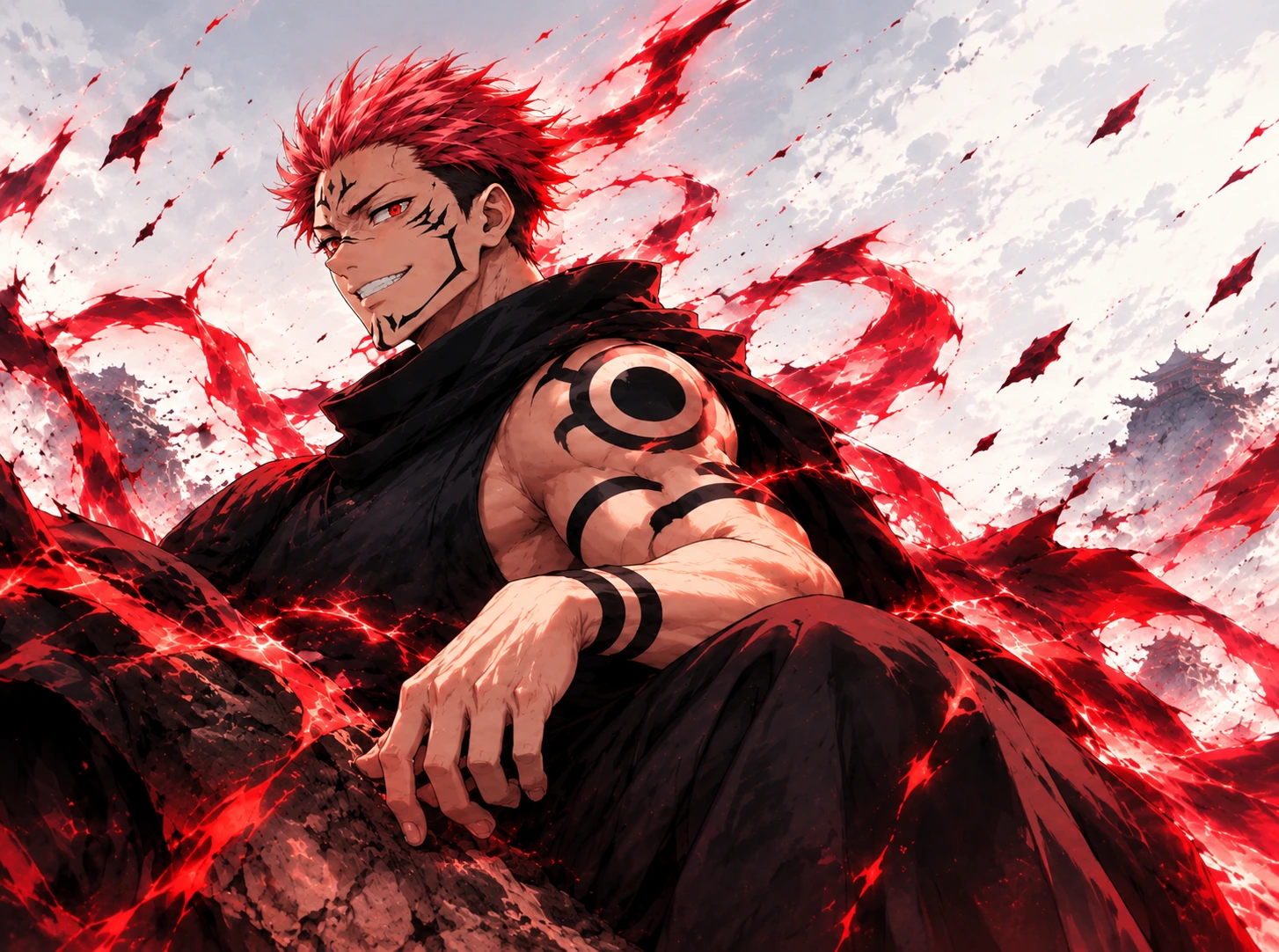
Sukuna’s binding vows are an important part of his power and strategy in Jujutsu Kaisen. A binding vow allows a sorcerer to accept a restriction or agree to certain conditions in exchange for an advantage. Sukuna uses this system in several ways, including his agreement with Yuji Itadori, the conditions attached to his World-Cutting Slash, and adjustments to Malevolent Shrine. These vows show that his strength does not come only from cursed energy or powerful techniques; he also understands how rules and restrictions can change a battle. However, not every detail about binding vows is fully explained in the series, so confirmed events must be separated from fan theories. This guide explores Sukuna’s known vows, their effects, and the limits of what the story confirms.
Table of Contents
ToggleWhat Is a Binding Vow in Jujutsu Kaisen?
A binding vow is an agreement or restriction that has a real effect within the jujutsu system. It can be made with oneself or between different parties, and its terms can affect how a technique or ability is used. A restriction may provide a benefit, but the exact result depends on the vow and its conditions. Sukuna’s vows demonstrate how these rules can influence major events, from gaining control of Yuji’s body to changing the conditions of his attacks. The series does not explain every possible rule in complete detail, so individual vows should be understood through what the story actually shows.
Understanding Binding Vows
Binding vows are agreements that place meaningful conditions on a person, technique, or relationship. Some vows are made with oneself, while others require an agreement between two people. They can create advantages by limiting what the user is allowed to do. The details matter because a vow’s effect depends on its specific terms.
Restriction and Reward
A binding vow can exchange a restriction for a benefit. A sorcerer might limit how an ability can be used to improve its effect in a particular situation. Sukuna’s later World-Cutting Slash conditions are one example: he gained a way to use the attack in a difficult moment, but later uses required additional actions.
Why Characters Use Binding Vows
Characters use binding vows when they need a specific advantage or must work within difficult conditions. A vow can change the way a technique functions or set rules for a future agreement. Sukuna uses vows as part of his planning, but a restriction can also create a lasting cost that affects later decisions.
Binding Vows vs Normal Promises
A normal promise does not automatically change a person’s cursed technique or abilities. A binding vow is different because its terms have supernatural significance within jujutsu. Sukuna’s agreement with Yuji was not merely a verbal promise: it established conditions for reviving Yuji and later taking control of his body.
Who Can Make a Binding Vow
Binding vows are not shown as a power exclusive to Sukuna or one special group of sorcerers. The series shows different jujutsu users making vows with themselves or other people. However, the exact conditions and possible benefits differ from case to case, and the story does not provide a complete list of every restriction that could be created.
Binding Vows in the Series
Binding vows affect several important events in Jujutsu Kaisen. Sukuna’s agreement with Yuji changes the course of the story, while other vows affect attacks, techniques, and battle conditions. Characters such as Nanami and Yuta also provide examples of restrictions or agreements with significant effects. These examples show that vows can matter both inside and outside direct combat.
How Binding Vows Work
Binding vows work by establishing conditions that matter within the jujutsu system. A self-imposed vow places a restriction on the user, while a vow between people establishes terms that both parties accept. The benefit is not simply whatever someone wishes for; it is connected to the terms of the agreement and the situation in which it is used. Sukuna’s vows show that careful wording can be important, especially when the agreement concerns control of a body or the conditions for an attack. The series leaves some details about enforcement and consequences unclear, so it is important not to treat every fan explanation as confirmed canon.
Rules and Conditions
A vow establishes conditions that define what the participants may do or what restrictions they accept. In Sukuna’s agreement with Yuji, the conditions included a brief period of control and Yuji forgetting the agreement. In his World-Cutting Slash vow, the conditions applied to how he had to activate later uses of the attack.
Explicit vs Implicit Vows
The series depicts clearly stated agreements as well as restrictions that are explained through their effects. However, the labels “explicit” and “implicit” do not always describe a separate, fully defined system of rules. It is safer to examine the actual terms shown in each event rather than assume an unstated vow exists.
Self-Imposed Restrictions
A self-imposed vow is a restriction a character places on themselves. Sukuna’s World-Cutting Slash vow is a clear example because he accepted additional activation requirements for future uses. His restriction connected an immediate tactical need with a limitation that would continue to affect him afterward.
Vows Made Between Two Parties
A vow between two parties establishes an agreement between the people involved. Sukuna and Yuji made such a vow when Sukuna offered to revive Yuji in exchange for a future period of control. The terms became important later, when Sukuna invoked the agreement and exploited the wording concerning harm.
Can a Binding Vow Be Broken
The series treats binding vows as serious agreements, but the consequences depend on the kind of vow involved. It does not provide a complete explanation of every possible way a vow could be broken or undone. For that reason, a specific outcome should not be assumed unless the story demonstrates or explains it.
Consequences of Breaking a Vow
The general explanation of binding vows connects restrictions with benefits, and breaking a self-imposed vow can mean losing the benefit gained. The consequences of breaking a vow between different people are less clearly explained. The series does not fully spell out every possible penalty, so claims about automatic death or a universal punishment should be treated cautiously.
Sukuna's Binding Vows Overview
Sukuna has made several binding vows that affect his relationships, attacks, and Domain Expansion. The most clearly documented examples include his agreement with Yuji, his later restriction on the World-Cutting Slash, and vows that changed how Malevolent Shrine and Divine Flame could be used. Yorozu also made a vow connected to a replica of Kamutoke that she gave Sukuna. These events do not establish a complete official total of every vow Sukuna has ever made. It is more accurate to discuss the known examples individually and distinguish vows made by Sukuna from vows made by other characters that affected him.
How Many Vows Sukuna Has Made
The story confirms multiple vows involving Sukuna, but it does not provide a simple official total covering every possible vow he has made. Some vows are direct agreements with another person, while others are self-imposed restrictions. A reliable overview should focus on the known examples rather than present an unverified number.
Which Vows Are Confirmed in Canon
Confirmed examples include Sukuna’s agreement with Yuji, the extra conditions placed on later World-Cutting Slashes, and vows affecting Malevolent Shrine and Divine Flame. Yorozu’s vow to create a replica of Kamutoke is also directly connected to Sukuna. These events have different terms and should not be treated as one single agreement.
Vows He Made With Others
Sukuna’s most important agreement with another person is his vow with Yuji. Yorozu also makes a vow connected to Sukuna, but it is Yorozu who establishes the agreement to create a replica of Kamutoke. These cases differ: one gives Sukuna a future opportunity to take control, while the other provides him with a cursed tool.
Vows He Made With Himself
Sukuna imposed restrictions on his own abilities, including the conditions for later uses of the World-Cutting Slash. He also used binding vows to alter the conditions of Malevolent Shrine and to restrict Divine Flame’s use against multiple opponents. These examples show how he can change the way his abilities work by accepting specific limitations.
Most Important Vow
Sukuna’s vow with Yuji has a major effect on the story because it lets Sukuna take control of Yuji’s body at a later moment. His World-Cutting Slash vow is also important because it changes the requirements for using a decisive attack. Which vow matters most depends on whether the focus is the wider plot or a particular battle.
Timeline of His Vows
Sukuna’s agreement with Yuji is made early in the story, before Sukuna later uses its conditions to take control and transfer himself to Megumi. Other vows appear during his later battles, including the restriction placed on the World-Cutting Slash after he learns how to target the world itself. Yorozu’s Kamutoke vow occurs during her final confrontation with Sukuna.
Sukuna's Vow With Yuji
Sukuna’s vow with Yuji gives him a future opportunity to take control of Yuji’s body for a limited period. The agreement is made after Sukuna removes Yuji’s heart and Yuji dies, leaving Sukuna able to offer to bring him back. Yuji accepts only after a confrontation over the terms, including a condition intended to prevent Sukuna from harming others during the takeover. Yuji is also made to forget the agreement. Later, Sukuna invokes the vow and uses a loophole in its wording to harm Yuji himself, then transfers to Megumi. This makes the agreement one of the most consequential examples of a binding vow in the series.
Background of the Vow
The vow begins after Sukuna removes Yuji’s heart and Yuji dies. Sukuna offers to revive him, but he attaches conditions that would give him a future opportunity to control Yuji’s body. Yuji resists the terms, so the agreement is settled through a fight between them.
The Condition
The agreement allows Sukuna to take control of Yuji’s body for a brief period when he uses the agreed trigger word. Yuji is supposed to forget that the agreement exists. Yuji also insists on a condition intended to prevent Sukuna from killing or harming others during that period, although the exact wording becomes important later.
The Reward
The immediate reward for Yuji is being brought back to life. Sukuna’s benefit is the future chance to take control of Yuji’s body for the agreed period. The agreement therefore gives each side something different, but Sukuna’s hidden intentions make the long-term effect far more dangerous for Yuji than he expects.
When It Happened
The vow is made early in the story, after Sukuna removes Yuji’s heart. The agreement remains hidden from Yuji’s memory, so he does not knowingly prepare for Sukuna to invoke it. Much later, Sukuna uses the trigger word during the Culling Game events and begins his move against Megumi.
Outcome of the Vow
When Sukuna activates the vow, he takes control of Yuji’s body and uses the opportunity to tear off one of Yuji’s fingers. He then makes that finger into a cursed object and forces it on Megumi, transferring his presence to Megumi’s body. This outcome shows how Sukuna used the agreement to reach a goal beyond the original one-minute takeover.
Why It Matters
The vow changes the direction of the story because it allows Sukuna to act at a moment when Yuji does not remember the agreement. It also demonstrates the importance of precise wording: Sukuna interprets the restriction on harming others as not preventing him from harming Yuji himself. The event shows how a binding vow can become dangerous when one party understands its terms better than the other.
Sukuna's Vows With Other Characters
Sukuna’s agreements and the vows made around him do not all work in the same way. His vow with Yuji is a direct contract between the two, while Yorozu’s vow is made by Yorozu and results in a replica of Kamutoke being given to Sukuna. Other vows, such as the restrictions Sukuna places on his own techniques, are not agreements with another character. Keeping these categories separate prevents confusion about who made each vow and who received its benefit. The series does not confirm that Sukuna made a binding vow with every opponent he fought, so unshown agreements should not be added to the list.
Who the Vows Were Made With
The clearest direct vow involving Sukuna is the agreement with Yuji. Yorozu also makes a binding vow connected to Sukuna, agreeing to create a replica of Kamutoke. The two cases are different: Yuji’s vow concerns future bodily control, while Yorozu’s vow concerns a cursed tool she intends to give him.
The Conditions
Yuji’s vow establishes a short period of control for Sukuna and requires Yuji to forget the agreement. Yorozu’s vow is tied to her plan to create a replica of Kamutoke. The terms of these agreements should not be merged, because each has a different purpose and produces a different outcome.
The Rewards
Sukuna gains the future chance to control Yuji’s body under their agreement. From Yorozu, he receives a replica of Kamutoke created through her binding vow and Construction technique. These rewards come from separate situations, and neither one establishes a general rule that all vows made around Sukuna automatically benefit him.
When They Happened
The vow with Yuji occurs early in the story, while Yorozu’s vow is connected to her later fight with Sukuna. The timing matters because the first agreement influences Sukuna’s later possession of Megumi, while Yorozu’s vow results in a tool that Sukuna uses after her death.
Outcomes
The Yuji agreement enables Sukuna to use the takeover period to transfer himself to Megumi. Yorozu’s vow results in the replica of Kamutoke being created and delivered to Sukuna. The outcomes are confirmed, but the series does not establish that Sukuna personally negotiated every aspect of Yorozu’s final vow.
Why They Matter
These examples show that vows can influence events long after the moment they are made. Yuji’s agreement becomes a major turning point in the plot, while Yorozu’s vow gives Sukuna a cursed tool for a later confrontation. They also show why the identity of the vow-maker and the exact terms must be understood separately.
Vows Sukuna Made With Himself
Sukuna uses self-imposed binding vows to change the conditions under which his abilities can be used. The best-known example is the World-Cutting Slash, for which he accepts extra requirements after using it against Gojo. He also changes the conditions of Malevolent Shrine in difficult circumstances and restricts Divine Flame when facing multiple opponents outside his domain. These vows are not free upgrades: they connect an immediate advantage to a limitation or condition. The story confirms the effects of these specific examples, but it does not give a complete account of every vow Sukuna may have made privately.
Self-Imposed Restrictions
Sukuna’s World-Cutting Slash vow adds conditions to later uses of the attack. He must form the necessary hand sign, recite the technique’s incantation, and direct the slash’s trajectory with his palm. These requirements limit how freely he can use the attack compared with the initial use against Gojo.
What He Gained
The World-Cutting Slash vow allowed Sukuna to use the attack against Gojo when he could not meet the original activation condition. The later restrictions were the cost attached to that opportunity. Other vows changed Malevolent Shrine’s operating conditions or the circumstances in which Divine Flame could be used, giving Sukuna different tactical options.
What It Cost Him
The clearest continuing cost is the extra activation process required for later World-Cutting Slashes. Sukuna must complete the hand sign, chant, and palm-direction requirements, which gives opponents more information and opportunities to respond. The Divine Flame vow also restricts its use against multiple opponents unless Sukuna is inside his domain.
When It Happened
The World-Cutting Slash restriction is imposed during the battle with Gojo, after Sukuna needs a way to use the attack despite being unable to perform the original hand sign. Other vows are applied during later fights, including the adjustments Sukuna makes to Malevolent Shrine when its use becomes difficult to sustain.
Effect on His Fighting
These vows let Sukuna change the conditions of a fight, but they also affect his available choices. His later World-Cutting Slash is more demanding to activate, while the Divine Flame restriction shapes when he can use that attack against groups. His approach shows that a vow can solve an immediate problem without removing all future limitations.
Why It Matters
Sukuna’s self-imposed vows show that even a powerful sorcerer may accept restrictions to gain a needed advantage. They also explain why a technique’s later use may differ from its first appearance. The vow does not simply make every future attack stronger; it changes the conditions and choices surrounding a particular ability.
Vows Connected to Sukuna but Made by Others
Not every binding vow that affects Sukuna is made by Sukuna himself. Yuji is a participant in their shared agreement, and Yorozu makes a separate vow that results in Kamutoke’s replica. Other characters also make vows in the wider series, but those should not be presented as direct agreements with Sukuna unless the story confirms the connection. It is equally important not to assume that Megumi made a binding vow with Sukuna simply because Sukuna took over his body. The story shows possession and resistance, but those events alone do not establish a separate mutual vow.
Vows Made by Yuji
Yuji is a party to the agreement with Sukuna, but the story does not present him as making a separate independent vow that gives Sukuna control. Yuji negotiates the conditions and accepts the agreement in exchange for being revived. His role matters because the terms he tries to establish later become central to Sukuna’s loophole.
Vows Made by Megumi
The story shows Sukuna taking control of Megumi by using Yuji’s finger as a cursed object. It does not confirm a separate binding vow between Sukuna and Megumi that authorizes this possession. Megumi’s resistance and suffering should not be treated as proof that he willingly agreed to a contract.
Vows Made by Other Sorcerers
Other sorcerers use binding vows for their own purposes. Nanami’s Overtime is a well-known example of a restriction that changes his cursed energy output, while Yuta uses an agreement connected to his plan to kill and revive Yuji. These are examples from the wider series, not vows made with Sukuna.
Vows Made Around Sukuna
Yorozu’s vow is directly connected to Sukuna because it results in the replica of Kamutoke that she gives him. This is different from a vow made jointly with Sukuna. It is important to describe the event accurately: Yorozu makes the vow, and Sukuna receives the resulting tool.
Implied Vows
Fans sometimes interpret unusual battle choices as evidence of hidden binding vows. However, a strategic decision or change in technique does not automatically prove that a vow exists. Unless the manga or anime identifies a vow or clearly establishes its conditions and effect, it is safer to describe the event without labeling it a binding vow.
Vows Not Confirmed in Canon
A separate binding vow between Sukuna and Megumi is not confirmed by the possession event itself. Likewise, claims that Sukuna made a vow with every major opponent should not be treated as canon without evidence. This page focuses on vows that are identified or supported by the series, rather than filling gaps with speculation.
Binding Vows and Sukuna's Power
Binding vows affect Sukuna’s power by changing the conditions under which his abilities operate. They do not replace his cursed energy or innate techniques; instead, they can create specific advantages by placing limits on their use. The World-Cutting Slash vow is a clear example because it enabled a decisive use of the attack but added requirements for future activations. Sukuna’s domain-related vows also show that restrictions can change the way an ability functions in a particular situation. To understand this system, it helps to consider how binding vows interact with his cursed energy and its control, rather than treating them as an unlimited source of power.
Power Gained From Vows
A binding vow can give Sukuna an advantage by changing the conditions for an ability. The World-Cutting Slash vow allowed him to use the attack in a difficult moment, while domain-related vows altered Malevolent Shrine’s conditions. These benefits are specific to the vow rather than proof that every restriction automatically increases every part of his power.
Cursed Energy and Binding Vows
Binding vows operate within the jujutsu system and can affect cursed techniques and cursed energy output. They do not mean Sukuna receives an unlimited supply of energy. His abilities still depend on the conditions of the technique, his physical state, and the restrictions he has accepted. A vow changes the terms of use, not every limit at once.
Vows That Limited Sukuna
The World-Cutting Slash vow made later uses more complicated by requiring a hand sign, an incantation, and palm direction. The Divine Flame vow also limits when Sukuna can use the attack against multiple opponents. These conditions show that vows can restrict future choices even when they provide a major short-term advantage.
Vows That Helped the Heroes
Binding vows are not exclusive to villains. Other sorcerers use restrictions or agreements to support their plans, and Yuta’s agreement connected to Yuji is one example of a vow serving a larger strategy. However, the effect depends on the exact terms, and a vow does not guarantee that a plan will succeed.
Vow Conditions as Strategy
A vow can become part of a character’s battle plan because it changes what is possible under specific conditions. Sukuna’s World-Cutting Slash vow is especially clear: it allowed one important use but added requirements to later uses. This trade-off shows how a restriction can solve an immediate problem while creating a future tactical cost.
Overall Effect on His Strength
Binding vows expand Sukuna’s options in particular situations, but they do not remove every weakness or guarantee victory. Some vows create powerful opportunities, while others restrict future uses or depend on precise conditions. Sukuna’s skill lies partly in choosing when a restriction is worth accepting and how to use its effects during a battle.
Binding Vows in Battle
Binding vows can change the course of a fight by modifying the conditions of a technique or setting rules for an agreement. Sukuna’s vow with Yuji affects the larger story, while his World-Cutting Slash vow changes how he can use an attack against Gojo. His adjustments to Malevolent Shrine and Divine Flame also show how vows can influence the way he handles several opponents. These examples should be considered separately because each vow has a different purpose and cost. For full context on the major confrontations, see the Sukuna vs Gojo battle guide and the Sukuna vs Itadori battle guide.
Vows Affecting Fight Outcomes
Sukuna’s World-Cutting Slash vow affected the outcome of his battle with Gojo by allowing him to use the attack when the original activation method was unavailable. His vow with Yuji also changed later events by enabling Sukuna to take control and transfer himself to Megumi. These are different kinds of impact: one is a battle tactic, and the other changes the story’s direction.
Vows Used as Strategy
Sukuna treats vow conditions as part of his available strategy. When he cannot use a technique under its original conditions, he can accept a restriction to make a specific action possible. The benefit must be weighed against the conditions he will face afterward, as shown by the extra requirements for later World-Cutting Slashes.
Against Gojo
During the battle with Gojo, Sukuna uses Mahoraga’s adaptation as a model for the World-Cutting Slash. When he cannot fulfill the original activation condition after losing a hand, he imposes a vow that allows the attack to be used with a different immediate condition. Later uses require additional actions, creating a continuing limitation.
Against Yuji
The vow with Yuji is made long before their later confrontations. Sukuna invokes the agreement to take control for the agreed period and uses it to remove one of Yuji’s fingers. He then transfers to Megumi through the finger. The event demonstrates how a vow made at one point can affect a much later battle.
Against Multiple Opponents
Sukuna’s Divine Flame vow limits its use against multiple opponents unless he is inside Malevolent Shrine. Within the domain, he can combine the technique with the domain’s conditions to create a more dangerous area of effect. This is a specific restriction tied to Divine Flame, not a general rule that all Sukuna’s techniques require a domain when facing groups.
Turning Points Caused by Vows
Two major turning points connected to Sukuna’s vows are the takeover of Megumi and the World-Cutting Slash used against Gojo. The first depends on the terms of his agreement with Yuji, while the second depends on a self-imposed restriction. Both show that understanding a vow’s exact conditions can be as important as understanding a technique’s raw power.
Did Sukuna Honor or Break His Vows?
The clearest example of Sukuna exploiting a binding vow is his agreement with Yuji. Sukuna follows the trigger condition but interprets the restriction on harming others in a way that allows him to harm Yuji himself. That is different from the story explicitly showing him breaking the agreement. His self-imposed vows also demonstrate that he accepts real conditions when he needs an immediate advantage. The series does not fully explain every possible consequence of breaking a vow, especially one made between two people, so it is better to distinguish deliberate exploitation of wording from a confirmed breach.
Vows He Kept
Sukuna follows the agreed trigger for his vow with Yuji when he uses the word that activates the takeover. He then acts within the period of control established by the agreement. The story’s emphasis is on how he uses the terms to his advantage, rather than showing a clear case in which he simply ignores the vow’s stated conditions.
Vows He Bent
Sukuna bends the practical meaning of the agreement with Yuji by interpreting the restriction on harming others as not protecting Yuji himself. He uses that interpretation to tear off Yuji’s finger and transfer to Megumi. This is an example of exploiting the agreement’s wording, not proof that every part of the vow was broken.
Vows He Exploited
The Yuji agreement is the strongest example of Sukuna exploiting a vow. Yuji expects the restriction to prevent Sukuna from harming people, but Sukuna uses a narrow interpretation that excludes Yuji from the protection. The resulting transfer to Megumi shows how dangerous the gap between a vow’s intended meaning and its wording can become.
Loopholes in the Wording
A loophole occurs when a person uses the exact terms of an agreement in a way the other party did not expect. Sukuna’s treatment of Yuji’s self-harm restriction is the clearest example. The story does not establish that every binding vow contains loopholes, but it shows why the wording of a particular agreement matters.
What This Shows About His Character
Sukuna’s handling of the Yuji vow shows that he is willing to use an agreement to serve his own goals. He does not rely only on physical power; he also pays attention to the language and conditions of a deal. This behavior fits his broader pattern of taking advantage of situations in which other people lack information.
Comparison With Other Characters
Other characters use binding vows for different reasons, including increasing the effect of a technique or supporting a plan. Sukuna’s use of the Yuji agreement stands out because it involves a hidden future purpose and a loophole. However, the series does not support the claim that every other sorcerer uses vows more honestly or less strategically in all circumstances.
Sukuna's Binding Vows vs Other Sorcerers
Sukuna is not the only character in Jujutsu Kaisen to benefit from binding vows. Other sorcerers use restrictions and agreements to change their abilities or achieve specific goals, but their vows serve different purposes. Nanami’s Overtime is a self-imposed restriction linked to his working hours, while Yuta’s agreement connected to Yuji supports a larger plan. Gojo’s technique explanations also show how revealing information can be connected to increased effectiveness, although not every explanation of a technique should automatically be treated as a separate binding vow. Toji is not confirmed here as having a comparable binding vow, so his Heavenly Restriction should not be listed as one.
Gojo
Gojo uses powerful techniques and explains aspects of his abilities during combat. The broader jujutsu system connects revealing information about a technique with possible benefits, but a specific vow should only be attributed to Gojo when the story supports it. His battle with Sukuna also shows the impact of Sukuna’s World-Cutting Slash restriction.
Toji
Toji’s physical abilities are tied to Heavenly Restriction, which is different from a binding vow made voluntarily during a battle. The series does not establish a matching self-imposed binding vow by Toji in the examples covered here. His case should therefore be treated as a comparison between different jujutsu mechanics, not as proof that he made a vow.
Nanami
Nanami’s Overtime is a clear example of a restriction that changes his cursed energy output. He limits his output during regular working hours and gains a different level of output during overtime. This is separate from Sukuna’s vows, but it illustrates how accepting a limitation can change how a sorcerer performs in combat.
Yuta
Yuta makes an agreement connected to his plan involving Yuji. He agrees to kill Yuji in a way that satisfies the authorities, then revives him with Reverse Cursed Technique. This vow serves a protective plan rather than a takeover strategy, showing that binding vows can be used to create trust or conceal a larger objective.
Other Sorcerers
Binding vows appear in the stories of several other characters, including Mei Mei, Miwa, and Hakari. Their cases involve different sacrifices and benefits, so they should not be treated as interchangeable. These examples show that a vow can affect an attack, a technique, or a character’s available options depending on its terms.
Comparison Table
Sukuna’s binding vows show how restrictions can be used to gain useful advantages in battle. His agreement with Yuji gave him a future period of control over Yuji’s body, while his World-Cutting Slash restriction added stricter requirements to later uses of the attack. His Divine Flame restriction also limits how the technique can be used against multiple opponents. Nanami’s Overtime changes his cursed energy output outside regular working hours, while Yuta’s agreement connected to Yuji helped him convince the authorities while planning Yuji’s revival. Yorozu’s vow connected to Kamutoke resulted in a replica of the cursed tool being made for Sukuna. Toji is different because Heavenly Restriction is a separate mechanic, not a confirmed self-imposed binding vow.
Limits of Binding Vows
Binding vows can create useful advantages, but they do not make every desired outcome possible. A vow must have conditions, and those conditions can restrict how a technique is used. Sukuna’s World-Cutting Slash vow demonstrates this clearly because the attack becomes more demanding to activate after the initial use. The Divine Flame restriction also affects when he can use the technique against groups. The series does not provide a complete rulebook for every possible vow, so claims about exact costs, guaranteed penalties, or unlimited power should be treated cautiously. What matters most is the actual condition and effect shown for each vow.
What Binding Vows Cannot Do
The series does not show binding vows as a way to grant any power without limits. A vow changes conditions within the jujutsu system, but it does not automatically erase a technique’s weaknesses or guarantee success. Sukuna still faces restrictions on later World-Cutting Slash uses and on Divine Flame under certain circumstances.
Cost of Making a Vow
The cost depends on the vow. Sukuna’s World-Cutting Slash restriction adds requirements to future activations, while the Divine Flame vow limits its use against multiple opponents outside his domain. These examples show concrete costs, but they do not establish one universal price for every binding vow.
Risk of Breaking a Vow
Breaking a binding vow is treated as serious, but the exact consequences are not fully explained for every type of agreement. The general explanation connects self-imposed vows to the loss of benefits if their conditions are broken. For vows between people, the story leaves more uncertainty, so a specific punishment should not be stated as universal fact.
Limits Seen in Sukuna's Case
Sukuna’s own vows show that a restriction can remain relevant even after it helps him. Later World-Cutting Slashes require more steps, and Divine Flame has a specific limitation when he faces multiple opponents. These costs affect his choices, even though he remains capable of adapting his strategy around them.
Unexpected Consequences
A vow may create an outcome that one participant did not expect. Yuji does not anticipate that Sukuna will interpret the harm restriction as allowing him to hurt Yuji himself. This consequence comes from the specific wording and situation, not from a general rule that all binding vows will turn against the person who makes them.
Misunderstandings Fans Have
One common misunderstanding is treating every clever move as proof of a binding vow. Another is assuming that breaking any vow automatically causes the same punishment. The series shows different types of vows with different conditions, so each claim should be checked against the specific event rather than inferred from the result alone.
Can Sukuna Break a Binding Vow?
The series does not show Sukuna simply ignoring every vow he makes, and it does not provide a complete explanation of all possible penalties for breaking one. The best-known case is the agreement with Yuji, where Sukuna uses the wording to find a loophole rather than openly refusing to follow the terms. His self-imposed vows also show that he accepts restrictions when they serve a goal. This makes it important to distinguish breaking a vow from interpreting it narrowly. When the story leaves a rule unclear, it is more accurate to say that the outcome is not fully confirmed than to invent a penalty.
What the Series Shows
The story shows Sukuna using the trigger word from his agreement with Yuji and then taking advantage of the wording about harm. It also shows him imposing restrictions on his own techniques. These events provide examples of vows being used or exploited, but they do not answer every question about what would happen if Sukuna openly broke one.
What Happens If a Vow Is Broken
For self-imposed vows, the general explanation is that breaking the restriction can mean losing the benefit gained. For vows made between different people, the exact consequences are less clearly defined. The series does not fully spell out every possible result, so it is inaccurate to claim that every broken vow automatically causes death.
Why Sukuna Avoids Breaking Them
Sukuna’s known behavior suggests that he prefers to use a vow’s conditions to his advantage rather than simply disregard them. In the Yuji agreement, he follows the trigger but exploits a gap in the wording. His self-imposed restrictions also give him specific benefits, so ignoring them would undermine the purpose of the agreement.
Loopholes vs Breaking
A loophole involves using the wording of a vow in a way that the other party did not expect. Breaking a vow means failing to follow its terms. Sukuna’s action against Yuji is presented as exploitation of the agreement’s wording, so it should not be described as a confirmed case of Sukuna openly breaking the vow.
Evidence From Canon
The strongest evidence comes from the Yuji agreement and the later conditions placed on Sukuna’s attacks. These events establish that vow wording and restrictions matter. They do not, however, provide a complete catalogue of penalties or prove that Sukuna has secretly broken other vows.
Open Questions
The series leaves some questions about binding vows unanswered, including the full consequences of breaking an agreement between two people. It also does not provide a definitive total of every vow Sukuna may have made. These gaps should remain open rather than being filled with assumptions from fan discussions.
Sukuna Binding Vow Facts
Sukuna has made several confirmed binding vows, and they serve different purposes. His agreement with Yuji creates a future opportunity to take control of Yuji’s body, while his self-imposed restrictions change the conditions for the World-Cutting Slash, Malevolent Shrine, and Divine Flame. Yorozu’s vow also results in a replica of Kamutoke being given to Sukuna. There is no single confirmed total of all his vows, and the series does not establish that he has openly broken one. The following facts separate what the story shows from details that remain uncertain.
Has Sukuna Made a Binding Vow
Yes. Sukuna’s agreement with Yuji is a confirmed binding vow, and he also imposes restrictions on his own techniques. These include the later activation conditions for the World-Cutting Slash and restrictions connected to Malevolent Shrine and Divine Flame.
What Was His Vow With Yuji
Sukuna agrees to revive Yuji in exchange for a future period of control when he uses the agreed trigger word. Yuji must forget the agreement, and he adds a restriction intended to stop Sukuna from harming others. Sukuna later exploits the wording to harm Yuji himself.
Do Vows Make Sukuna Stronger
A vow can give Sukuna a specific advantage, but it does not automatically make every ability stronger. His vows change the conditions of certain techniques or give him a future opportunity to act. The result depends on the restriction and benefit established by each agreement.
Did Sukuna Ever Break a Vow
The clearest example involving Yuji is described as Sukuna exploiting a loophole in the agreement’s wording. The story does not clearly establish that he openly breaks that vow. The consequences of breaking every possible type of vow are not fully explained, so a broader claim would go beyond confirmed evidence.
Which Vow Mattered Most
The vow with Yuji has the largest effect on the overall story because it lets Sukuna take control at a crucial moment and transfer to Megumi. The World-Cutting Slash vow is also important in the battle with Gojo. The answer depends on whether the focus is the wider plot or one fight.
Which Sorcerer Uses Vows Most
The series does not provide a definitive ranking of which sorcerer uses binding vows most often. Sukuna has several prominent examples, but other characters also use vows for different purposes. It is safer to compare specific confirmed cases than to declare one character the most frequent user without an official count.
Final Takeaway
Binding vows are agreements or restrictions that can change how a sorcerer’s abilities work or establish conditions between different people. Sukuna’s confirmed vows include his agreement with Yuji, the extra requirements attached to later World-Cutting Slashes, and restrictions connected to Malevolent Shrine and Divine Flame. Yorozu also makes a vow that results in a replica of Kamutoke being given to him. These examples show how vows can affect Sukuna’s power, but they also create limits that shape his future choices. His handling of Yuji’s agreement demonstrates how he can exploit exact wording without the story necessarily showing him openly breaking the vow. Other sorcerers, including Nanami and Yuta, use vows for different goals, showing that this system is not unique to Sukuna. The limits of binding vows remain important: they do not guarantee victory, their costs differ, and the series does not fully explain every consequence of breaking an agreement. For a broader look at Sukuna’s abilities, battles, and powers, visit the Ryomen Sukuna homepage.
Frequently Asked Questions
Can Sukuna Break a Binding Vow?
The series does not clearly show Sukuna openly breaking one of his confirmed vows. In the agreement with Yuji, he exploits the wording to harm Yuji himself, rather than simply ignoring the stated terms. The full consequences of breaking every kind of binding vow are not explained, so stronger claims would be uncertain.
What Happens If a Binding Vow Is Broken?
The general explanation is that breaking a self-imposed vow can cause the user to lose the benefit gained from it. The consequences of breaking a vow between two people are less clearly explained in the series. It is therefore not confirmed that every broken binding vow automatically causes death or the same punishment.
What Was Sukuna's Vow With Yuji?
Sukuna agreed to revive Yuji in exchange for a future period of control when he used the trigger word “Enchain.” Yuji would forget the agreement, and he added a condition intended to stop Sukuna from harming others. Sukuna later exploited the wording to harm Yuji and transfer himself to Megumi.
Do Binding Vows Make a Sorcerer Stronger?
A binding vow can provide a specific benefit in exchange for a restriction, but it does not automatically improve every ability. Sukuna’s World-Cutting Slash vow allowed a particular use while making later activations more demanding. The effect depends on the vow’s terms, so each example must be considered separately.
Which Sorcerer Uses Binding Vows Most?
There is no official count establishing which sorcerer uses binding vows most often. Sukuna has several major examples, but Nanami, Yuta, and other characters also use vows or restrictions for different purposes. It is more accurate to compare their confirmed vows than to assign an unsupported ranking.
How Many Binding Vows Has Sukuna Made?
The series confirms several binding vows involving Sukuna, including his agreement with Yuji and self-imposed restrictions affecting his techniques. However, it does not give a definitive total of every vow he has ever made. A precise number would risk counting unconfirmed or speculative examples as canon.
Did Sukuna Honor His Vows?
Sukuna uses the trigger condition of his vow with Yuji but exploits a loophole in its wording. That is different from a clear, confirmed case of openly breaking the agreement. His self-imposed restrictions also show that he accepts conditions when they help him achieve a specific goal.
Can Binding Vows Be Changed?
The series shows that vow conditions can be adjusted in specific situations, including Sukuna changing conditions connected to Malevolent Shrine. However, it does not establish that every vow can be freely rewritten after it is made. The possibility and cost of changing a vow depend on the specific circumstances shown.
Why Does Sukuna Make Binding Vows?
Sukuna uses binding vows to gain specific advantages, alter the conditions of his techniques, or create opportunities that would otherwise be unavailable. His agreement with Yuji serves a long-term plan, while his self-imposed restrictions help him use certain attacks under difficult conditions. Each vow has its own purpose and limitations.
Which Binding Vow Mattered Most?
Sukuna’s vow with Yuji is one of the most consequential because it enables him to take control of Yuji’s body and transfer to Megumi. His World-Cutting Slash vow is another major example because it affects his battle with Gojo. Which matters most depends on whether the focus is the overall plot or a specific fight.
⭐⭐⭐⭐⭐ 4.8/5 • Trusted by 4 Million+ Readers
Ryomen Sukuna - 4k Wallpapers
Ryomen Sukuna is one of the strongest and most famous characters in Jujutsu Kaisen. He is known as the King of Curses because of his incredible power, terrifying abilities, and fearsome reputation.